
Our Vision
From Rural Hub to Mediterranean innovation
A hub in the heart of Southern Europe
Its central node is located in the SocietingLab of CeSMA – Centro di Servizi Metrologici Avanzati – within the Technological Hub of the Università degli Studi di Napoli Federico II, one of the main innovation ecosystems in Southern Europe.
This anchoring in an advanced technological context allows Rural Hack to engage with advanced technologies and with the most advanced dynamics of contemporary digital transformation.
FoodSystem 5.0 paradigm
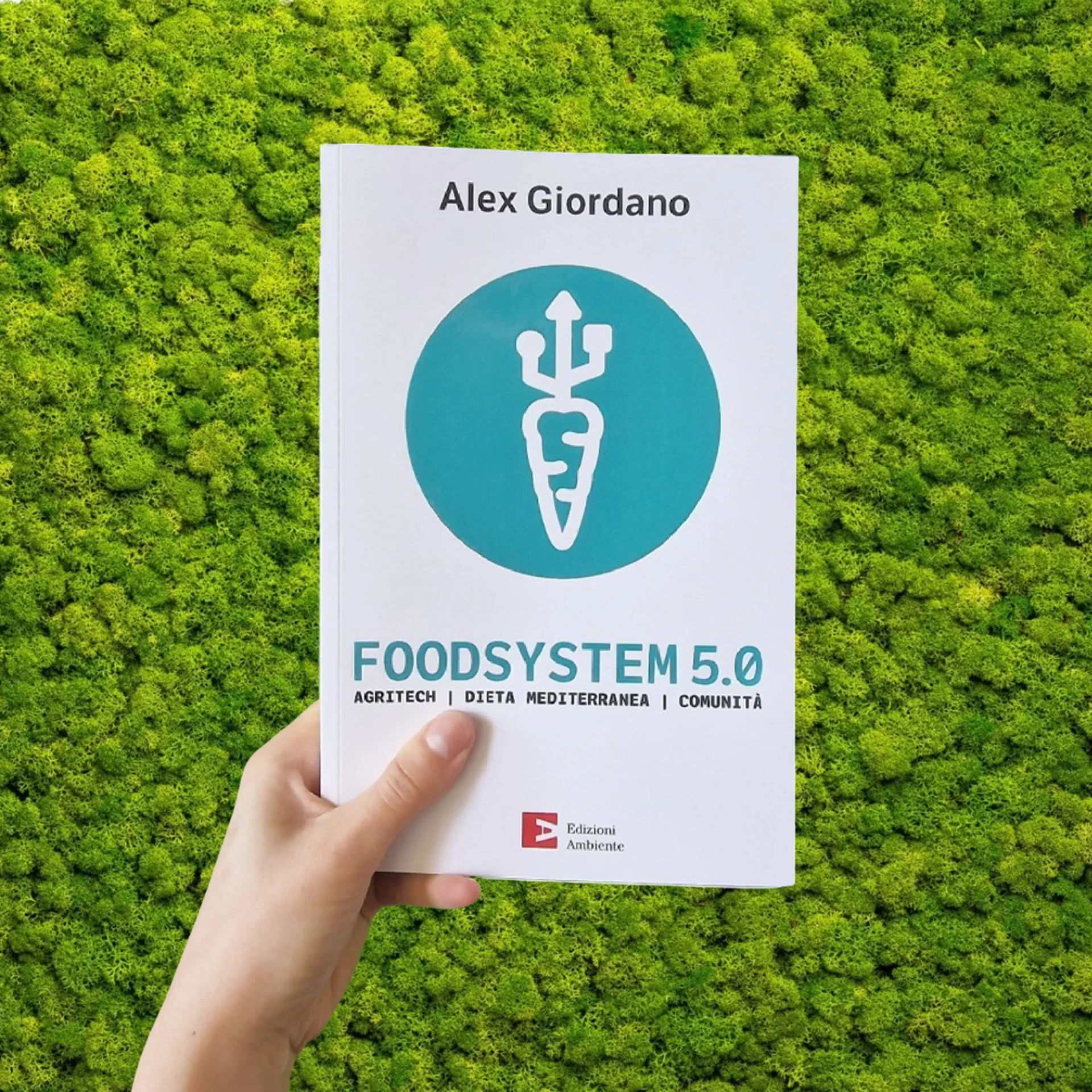
Its theoretical framework is the FoodSystem 5.0 paradigm, which invites us to consider the agri-food system as a relational ecosystem: territories, communities, knowledge and technologies do not simply add up, but interact and co-evolve.
The territory as a complex system
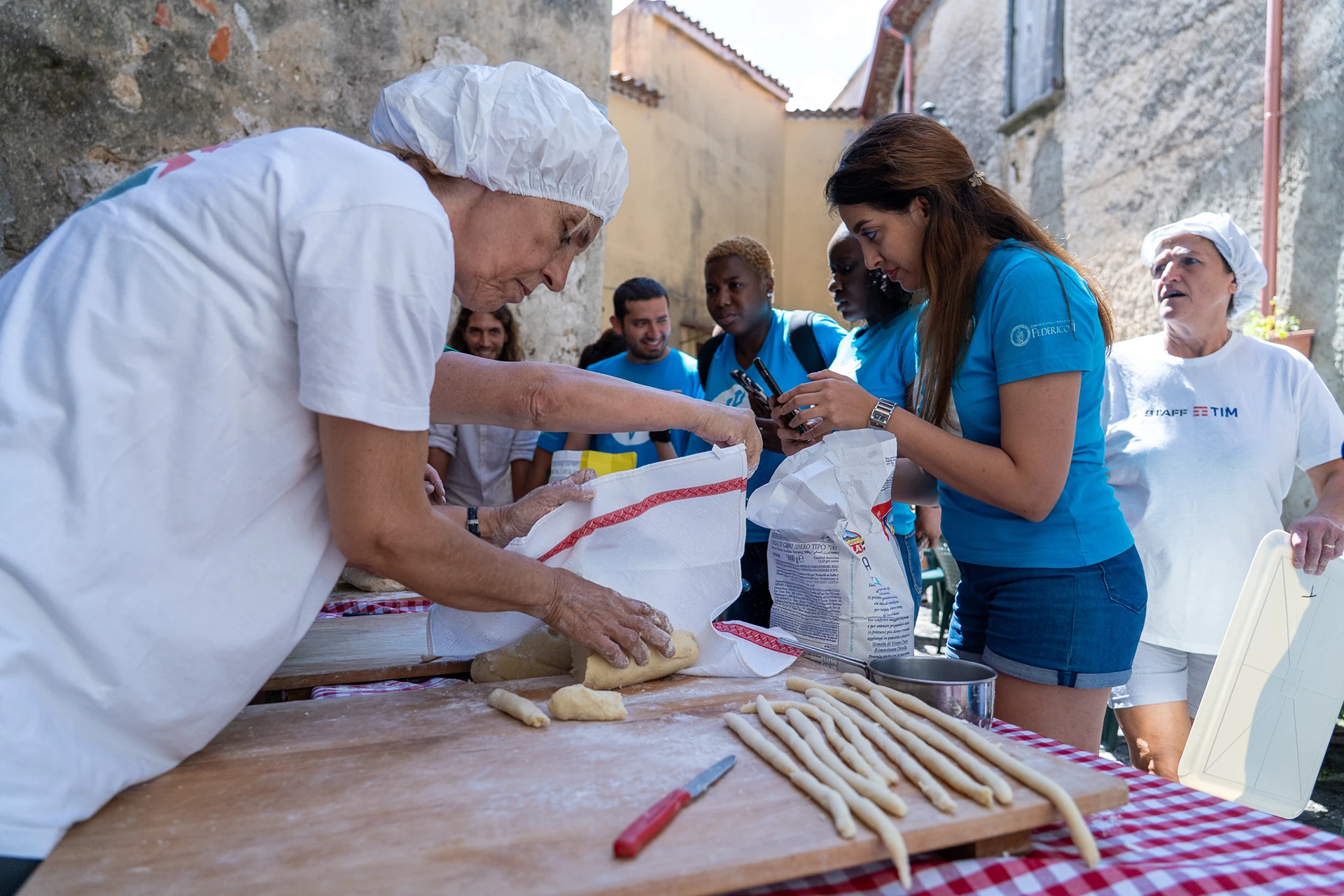
In this Mediterranean and situated perspective, the territory is not an object of intervention: it is a complex subject, made of cultures, landscapes, economies, biodiversity and ecological infrastructures.
Food, in this framework, is not only a “product”: it is a systemic node connecting agriculture, health, labour, policies, markets and digital dynamics.
How we operate
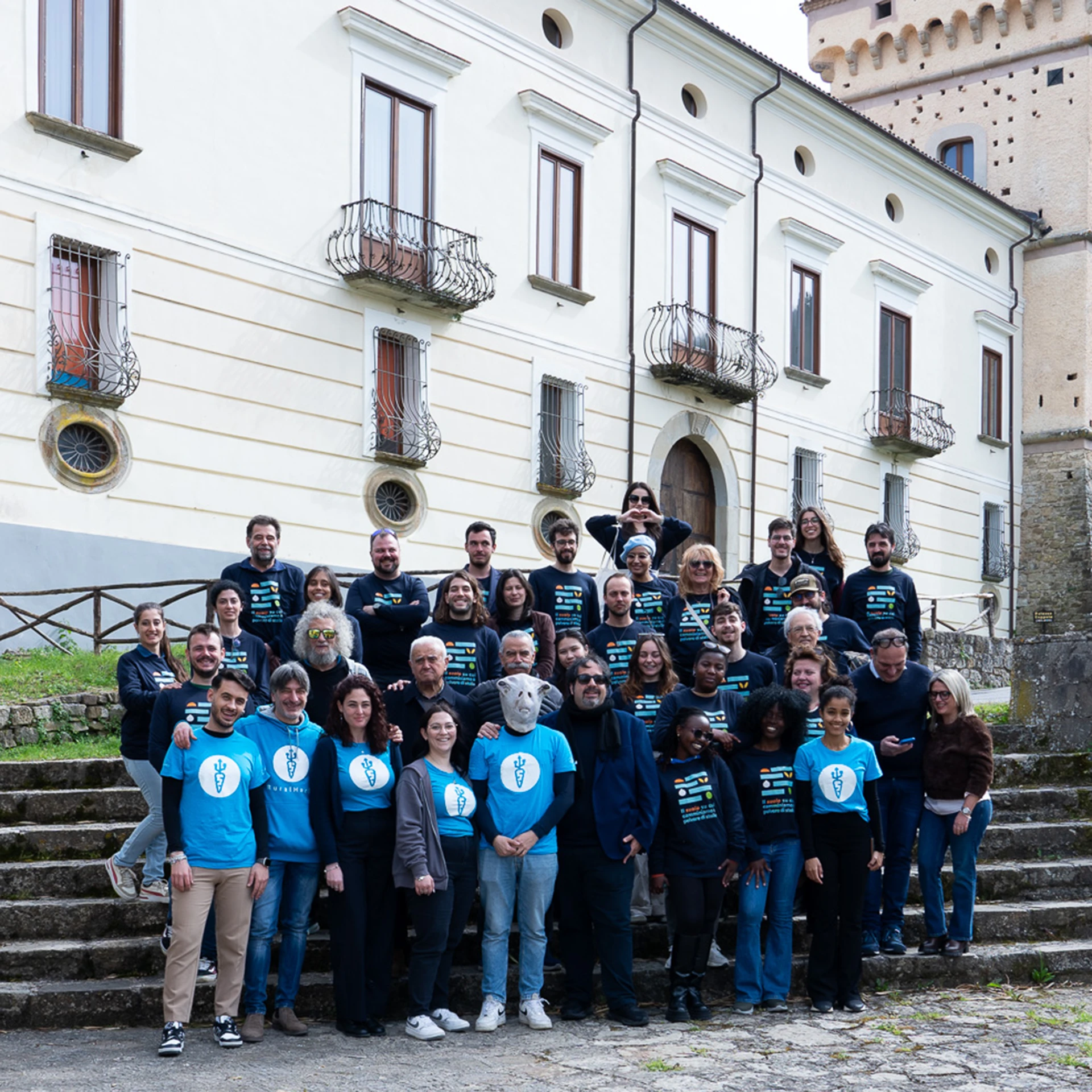
Rural Hack operates through projects, territorial laboratories, editorial activities and research pathways that connect universities, companies, institutions and communities.
Advanced technologies are a strategic lever, but they are oriented so that they generate lasting ecological and social impact, rooted in contexts and capable of inhabiting complexity.
Our positioning
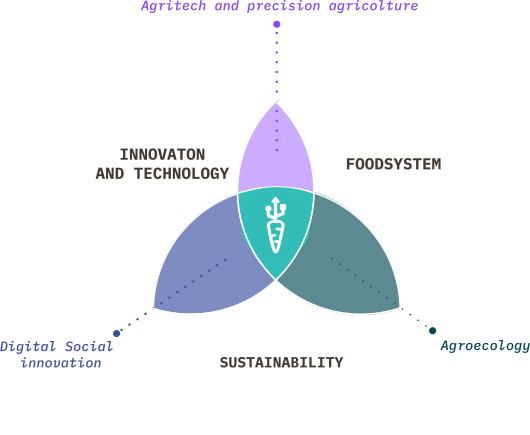
Rural Hack is positioned at the intersection of three domains that today determine the future of food systems
- Technology and innovation
- FoodSystem
- Sustainability
It is within the space of this triple intersection that Rural Hack develops its approach: it does not apply “neutral” technologies to standardized contexts, but works so that innovation, sustainability and food systems remain coherent with territories, communities and landscapes.
It is within this space that models of governance of food systems consistent with Mediterranean specificities and with the challenges of digital and ecological transition are defined.