

Food and design. Two seemingly separate worlds, yet closer than one might imagine—and not just in aesthetic terms. The concept of Food Design combines form, structural complexity, the right nutritional balance, sustainability, and only finally, aesthetics. These were the topics addressed during “Italian Food Design,” the conference held on April 23 in Rome at Confindustria.
Many themes were explored—which we will revisit throughout this article—that offer us the chance to see the act of eating through a different, broader lens. From outer space to the earth, from ancient dishes to Ferrero chocolates that are true design icons, eating cannot be understood merely as an act of satisfying a primary need; it is a true code of communication, a form of art. Sustainability—the “cool” and urgent topic of our century—is an integral part of Food Design, which also aims at optimizing ingredient use and developing increasingly smart and environmentally respectful packaging. Organizations like Crea and Barilla have embraced Design Thinking, an approach used in design processes that places user needs and desires at the center.
The Cluster’s Activities
“The National Agrifood Cluster (Cl.A.N.) was established by the Ministry of University and Research (Miur),” said Emanuele Marconi, director of Crea Food and Nutrition and advisor to Cl.A.N. “It brings together universities, research institutions, training bodies, companies of various sizes, trade associations, and local representatives to enhance Made in Italy and Italian Food Design.” Its main goal is to protect the Italian agri-food system from phenomena such as Italian sounding, which harms producers and consumers alike. One example is the Eco-trophelia Italia award, a competition for university and ITS students in the food sector, focused on the design and creation of eco-innovative prototypes and products. “This year, one proposal was a spoon made from spent grain. Another, rooted in heroic agriculture, involved using lemons from Procida and ‘pane lemon’ to create jellies used both as standalone products and as fillings for chocolates or cookies.” The final competition will be held, as every year, at Cibus 2024 (May 7–10), the leading trade fair for the Italian agri-food sector, where Rural Hack will participate as a partner of the Chamber of Commerce Irpinia Sannio.
Cl.A.N. also aims to bring young people closer to the Mediterranean Diet and works hard to support Italian entrepreneurship so it can be passed down from generation to generation “by fostering a new class of entrepreneurs aware of the importance of balancing tradition and innovation.”
Food Design and Italian Food Design: A Decades-Old Discourse
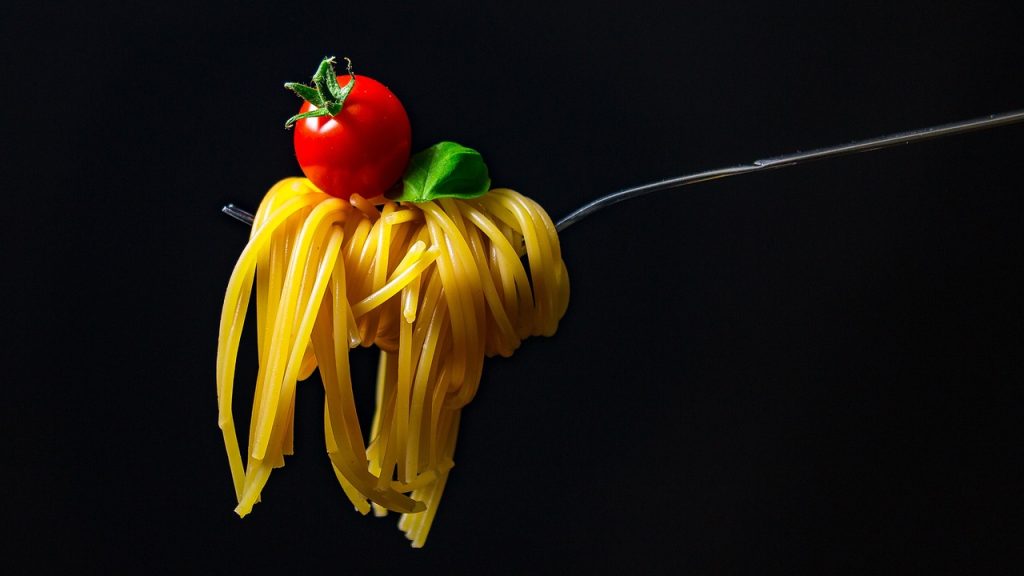
Food Design is not, crudely speaking, plating. It is a broader concept that encompasses all aspects related to food: the right ingredient balance, nutritional profile, technological components and machinery, historical knowledge, and a sense of community… The list could go on endlessly! Presentation and aesthetic appeal are crucial to enhance all these elements. For example, spaghetti are functional and tasty objects, often attractively packaged, yet even they fall under the realm of aesthetics.
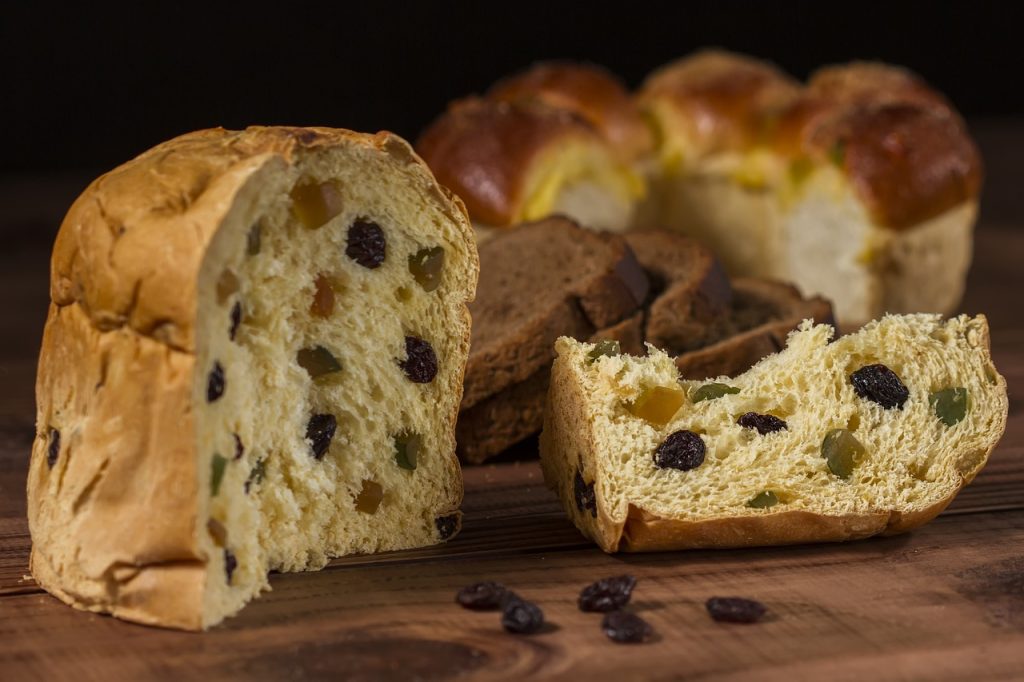
Food Design and Italian Food Design have, in fact, always existed. Just think of the ritual and aesthetics of pizza, which embodies a complete dish and a symbol of the Mediterranean Diet. Or even the pasta we eat daily, with its countless shapes and “outfits.” From a simple tomato sauce with a drizzle of olive oil and a basil leaf to a mushroom cream with ground meat. “The geometry of dies with inserts allows the production of diversified pasta shapes,” said Marconi. “There’s also the mechanical side that produces the dies with specific design systems—behind it lies research, design, and knowledge. Even panettone is incredible because it assembles a precise mix of ingredients, and the cross cut, the so-called ‘scappatura,’ has both symbolic and technical purposes—important for increasing volume during baking and releasing aromas through the Maillard reaction by expanding surface area.”
Italian culinary tradition is the emblem of democratic and constantly evolving design. It has no scale limits—it applies to large industries, SMEs, artisanal production, and even home cooking. Moreover, it varies dramatically from one region to another, even from one town to another within the same region. “Take arancino or arancina—it’s defined depending on where you are in Sicily. There’s form, structural complexity, nutritional balance, aesthetic and hedonistic consistency, and cultural value. Other examples are gelato, the wine flask, and pasta frittata—a dish that embodies surplus recovery and waste reduction.”
These are age-old dishes already infused with design principles, reflecting the roots of the Mediterranean Diet.
The Role of Research: Crea’s Platform
In this context, Crea plays a crucial role, as it is developing a research platform made up of labs to test and design nutritional qualities, sensory properties, and aromatic profiles. “Approaching the world of design with my team, we began thinking that perhaps we could bring other types of knowledge into the design phase of our food—ideation, preparation, realization, production, communication, sales,” explained Stefania Ruggeri, researcher and nutritionist at Crea and expert in Agrobiodiversity and the Mediterranean Diet. “Anthropologists, designers, architects… I realized the Mediterranean Diet concept deserves a redesign, to carry forward Italian thinking without rhetoric. Food is not just a vehicle for macro and micronutrients and bioactive compounds—it’s also a communicative code, a system of thought that leads to social practices and emotional experiences that can relaunch our products. That’s why our platform also uses Design Thinking.”
The project areas include designing new foods, creating menus aligned with the Mediterranean Diet, supporting SMEs in sustainability paths, and scientific communication. One key focus for Ruggeri’s team is food waste. The researchers aim to give food scraps new value—and most importantly, to enhance health. “In a project funded by the Lazio Region, we developed two low-FODMAP products for people with irritable bowel syndrome, including bread. But we also want to be ‘pop,’ with the healthy Roman maritozzo, high in fiber and folate. We’re also working with chef Cristina Bowerman to create menus that bring girls closer to Mediterranean eating habits—a project originally from the Ministry of Health, now reimagined to create nutrient-rich snacks for women.”
The Pillars of Italian Food Design: Barilla and Ferrero
Two major players in Italian Food Design are the Barilla Group and Ferrero, both of which have preserved tradition while embracing innovation. Their success lies in focusing on users and their needs—including young people, who are the bridge between past and future and can offer crucial insights for sustainable innovation. “When we talk about food, we’re not talking about a product, but about an experience that carries emotional aspects,” said Cristina Gallina, director of Barilla’s Global Discovery Center. “This is what we aim to achieve through our brands, which accompany people throughout the day—from breakfast with Mulino Bianco, Gran Cereale, and Pan di Stelle, through snack times with Pavesi, to meals with brands like Barilla and Voiello.”
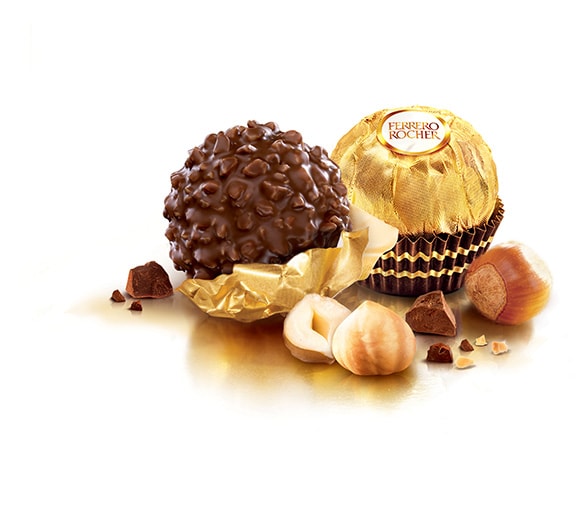
Design Thinking, introduced in 2015 in Barilla’s R&D unit, has helped the company maintain user satisfaction and stay among the world’s top pasta producers. Today, the Group operates in 16 countries—not only with pasta. Ferrero, with over 60,000 employees, operates in 170 countries. Its unmatched success began in 1946, when a visionary family opened a pastry shop in Alba, a small town in the province of Cuneo. “What’s been consistent from ’46 to today is building iconicity—communicative, productive, technological, ingredient-based,” said Marco Brambilla, Corporate Communication Manager at Ferrero. “Blending tradition and modernity. A cookie can become a tartlet with Nutella inside or a game for a child—think of Kinder Mini—while always preserving its original identity. For us, entrepreneurship is where most innovations at Ferrero have been born.”
Another key aspect is phase convergence, which boosts creativity and allows the development of countless solutions that meet identified needs—and continue to be explored, validated, and refined. “We often think needs are obvious—but many are not even clear to people themselves,” Gallina added. “We had a chocolate chip cookie, part of many Italians’ breakfast, but we wanted to enhance the visibility of the chips on its domed surface. Eventually, we developed a technology that allowed us to do just that—creating a nearly stamped cookie.” This shows how vital it is to trust technology—it serves the need and drives innovation. From 2013 to 2015, the Group invested in 3D printing to evolve pasta tradition under the BluRhapsody brand, creating a new shape called “galaxy” that unites beauty, taste, design, and functionality. “We tackled the plating problem with spaghetti—but the real evolution was in consumption: pasta became finger food, entering the world of aperitifs.” Barilla has also pursued Open Innovation through a startup collaboration program (Good Food Makers) launched in 2019, which brings together at least four new startups every year.
From Ancient Grains to Space Food: Agri-Food Blends Tradition and Innovation
Agri-food may be one of the few sectors—if not the only one—where tradition and innovation can coexist, interact, and merge. We saw this with Barilla and Ferrero—historic Italian companies that remain global leaders. Res Ciociaria and Ferrari Farm also represent the bridge between past and future. Reviving ancient grains in Ciociaria and advancing space-ready food and intelligent farming, especially in the face of climate change, reflect Italian identity and entrepreneurship. “Many small towns now have young people again, thanks in part to smart working, which brings Open Innovation to the land and new ways of sowing grain,” said Arduino Fratarcangeli, sociologist and president of Res Ciociaria. “We went to Irsina in Matera to retrieve the first 300 kg of ancient grain to bring it back to Ciociaria. Made in Italy refers not just to products but to the complex history of Italy in the Mediterranean, and the evolution of communication, marketing, and design applied to small local productions. With Crea, we’re transforming territories into products—building their sustainability and livability, to become warriors of intelligent agriculture, integrating with the speed of today’s agri-food economy.”
Ferrari Farm showed how life in space and on Earth are more connected than we think. Technologies tested for space missions often benefit life on Earth—think of medical imaging, lighter prosthetics, and telemedicine. Sensors and cameras developed by NASA for celestial imaging are now critical in medicine. Modern prosthetics use materials that protect spacecraft and astronauts from impact—replacing plaster with polymer foam.

Ferrari Farm was founded with similar goals—to adapt NASA-derived materials to improve astronaut nutrition. Currently, NASA’s food system is inadequate for 7,065 foods. They’re now testing lettuce, spinach, carrots, and tomatoes to enhance astronaut diets on long missions. “Compared to prepackaged food, this offers varied textures, colors, and flavors—enabling personalized menus in orbit,” said CEO Giorgia Pontetti. “We built Europe’s first fully contained growing system—no CO₂ emissions, no contamination. If we can grow on Mars, why not here, in clean rooms that allow year-round production?” Their vertical farming and hydroponics systems allow perpetual cultivation—recent basil and tomato tests yielded full-field results in sterile conditions, weather-independent and free from heavy metal contamination.
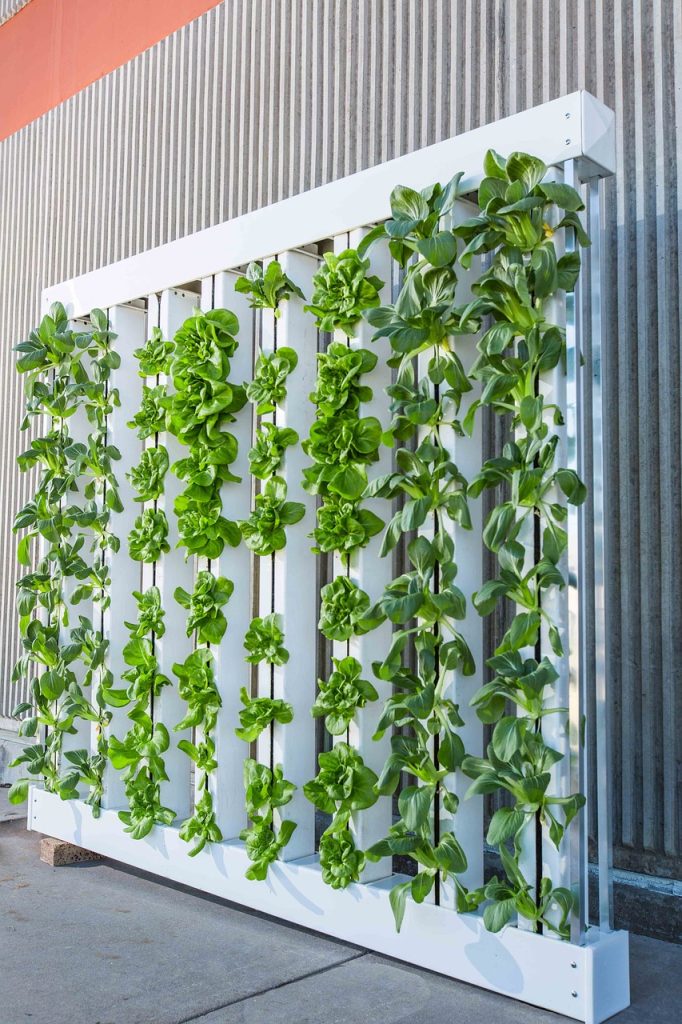
“In a year, tomatoes reach 20 m and basil over 2 m. By 2050, with massive urban migration and few wanting to farm, we created a greenhouse the size of a washing machine for home use—growing fresh food for two people. With ENEA and the Italian Space Agency, we built the first Earth-based space greenhouse prototype: it grows microgreens that meet astronauts’ daily vitamin needs in 7 days. We also launched a circular economy project with ENEA, creating 3D-printed snacks from fruit peels. We’ve just signed a deal with a young IED designer to create a new line of hydroponic devices, plus a mini 3D printer for kitchens. In our hydroponic container, we simulate day/night and even sunrise/sunset. The yields are unmatched.”
Each of these projects and prototypes invites us to reflect on current food models and showcases the immense cultural, agricultural, and culinary richness of Italy.
Article by Alessandra Romano