

The agri-food sector of pizza has been profoundly transformed by the spread of digital tools. The role of this medium has proven crucial in enhancing the storytelling of the pizza experience. It has highlighted—and continues to highlight—the essential characteristics of this food: its human and cultural dimension, as a symbol of sharing and versatility; and its qualitative side, linked to the identity of the product. Above all, it has emphasized the ability of those working in this sector to use technology without compromising authenticity. In this article, we explore the voices that confirm this vision—those of the three curators of 50 Top Pizza, gathered during the awards ceremony of 50 Top Pizza Italia 2025: Barbara Guerra, Luciano Pignataro, and Albert Sapere.
The pizza as a psychological and cultural need
It’s not just flour, water, tomato, and mozzarella. Pizza is a universal language, a daily gesture that connects regions, generations, and cultures across the board. It’s one of those foods that speaks of home, rooted habits, and shared pleasure. It is also one of the most powerful symbols of the Italian food system worldwide.
It’s no surprise, then, that it is fully considered a comfort food—meaning a food that generates emotional well-being, tied to emotional memories and moments of conviviality. This is also confirmed by the Doxa research for Eataly (2021), which shows that 86% of Italians eat pizza at least once a week: a result that demonstrates how this food has long ceased to be just a meal, and has become—and is now considered—a cultural symbol.
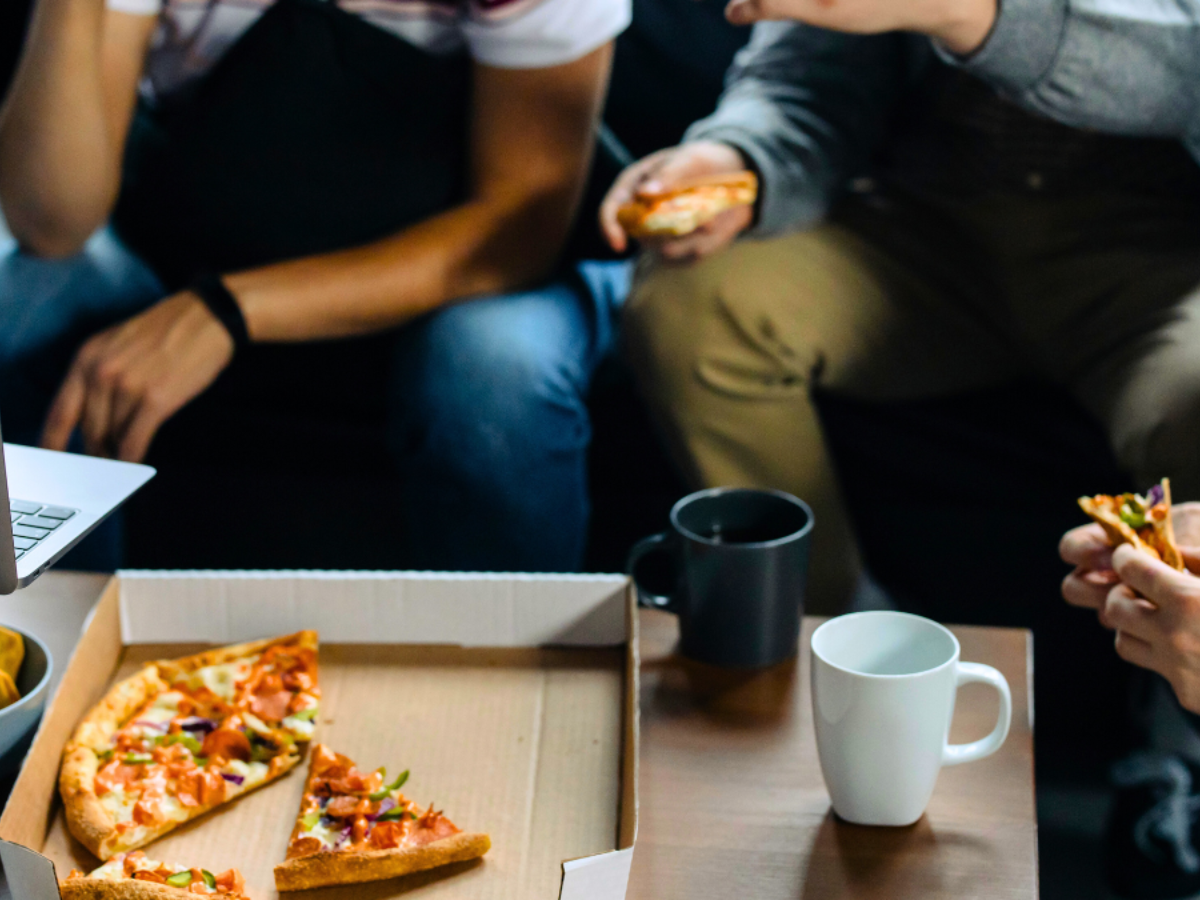
In fact, from a cultural perspective, Luciano Pignataro himself—one of the leading observers of Italian gastronomic culture and among the curators of 50 Top Pizza—states that “Pizza is a psychological need.” This reflection summarizes the social function of this food, that of a meal that celebrates togetherness and a core symbol, like coffee, in the city where pizza was born. Eating pizza is often tied to ritual moments, such as Friday night with family or a night out with friends, whether at home or on the street, ordered or homemade. As the journalist continues: “It’s not just a food that feeds, it’s a food that welcomes you to the table.” In these situations, food ceases to be mere nourishment and becomes a relational glue.
This emotional dimension, rooted in Italian daily life, also explains why pizza has managed to speak to so many different cultures, entering their rituals without losing itself.
Barbara Guerra: every community has its pizza
Thanks to its cultural characteristics of adaptability and the spread of authenticity, pizza has managed to become part of various communities around the world, in the most diverse ways.
In fact, pizza outside of Naples—outside of Italy as we know it—does not become unrecognizable, but rather transforms. According to Barbara Guerra, one of the three curators of 50 Top Pizza, the secret to pizza’s international success lies in its ability to resonate with the tastes of the communities that welcome it:
“Tastes are not the same everywhere: every community has its own consumption habits, lifestyles, and organoleptic perception of ingredients.” – B. Guerra
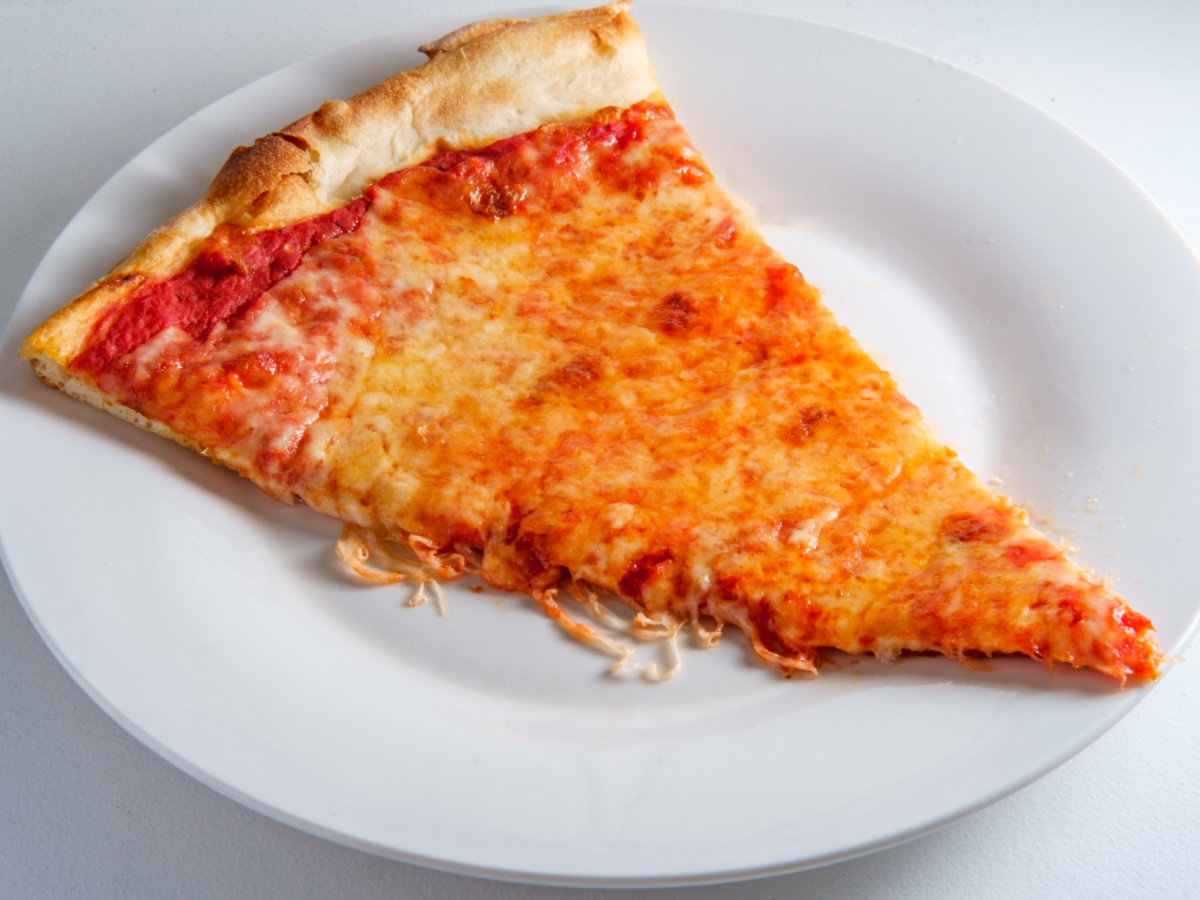
This is how local styles of pizza are born, reflecting the tastes and preferences of a specific community. Examples include New York Style Pizza, Brazilian Paolista Pizza, or the more acidic and intensely cooked styles typical of Northern Europe. These variations don’t betray pizza—they strengthen its communal and collective vocation.
Because when a style truly meets the taste of a place, it becomes part of that place and adopts its language.
As Barbara Guerra points out, it’s not about adapting to please everyone, but about engaging in dialogue with cultural specificities without losing the essence. In this balance between Italian roots and local adaptation, pizza affirms itself as the perfect example of glocal food.
Digital pizzerias: identity, aesthetics, and storytelling
Authenticity, however, is affirmed not only on the plate but also in how pizza and its experience are communicated. And in this respect, Italian pizzerias have become the protagonists of a small revolution.
Many of them, even before having a website, built a lively and coherent presence on social media, making themselves recognizable not only for the quality of their product but for their ability to convey a strong and rooted identity, made of passion and transparency.
Albert Sapere observes that pizzerias have now become true “digital venues,” born with a native storytelling vocation. Through photos, videos, infographics, and daily storytelling, the elements on the pizza come to life, transforming this dish into a visual and shareable language.
Luciano Pignataro adds: “Pizza owes all its current success to social media, to the fact that pizzaiolos have become communicators of themselves and can speak to their peers like no other food category has managed to do.”
Digital storytelling: emotion, authenticity, and connection
The world of pizza has been among the most skilled, in the food sector, at turning storytelling into value. Videos, stories, livestreams, and posts have shone a light on ovens and doughs, but also on people and places. Digital pizzaiolos, often starting from simple stories, have become ambassadors of local identities capable of speaking to the world. In spreading the experience and story of pizza, digital media has played a key role. It has made it possible to convey emotions, give voice to trades, and build an authentic relationship between those who make and those who consume.
As Pignataro notes: “Today everything is being told, but precisely because everything is being told, those who have something to say must be put in the condition to say it. And the customer perceives the truth of the experience only when it’s real.”
In this sense, the storytelling of pizza on social media is linked to what Rural Hack defines as mediated food experience: a culinary experience lived through a screen, capable of generating emotion, desire, and connection.
When pizza becomes image: visual perception and desire
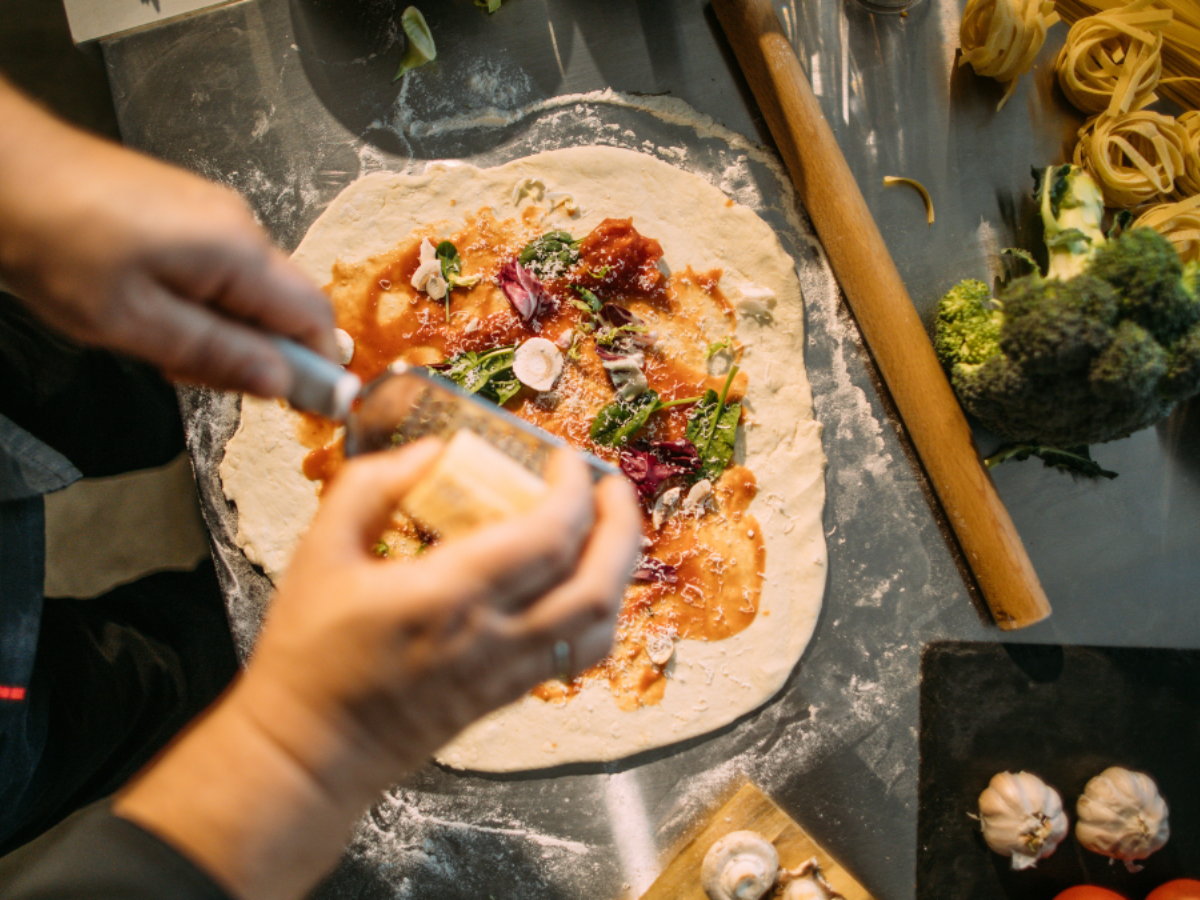
Even the visual perception of pizza has taken on an increasingly important role. It’s not just about aesthetics or “Instagrammability,” but about how visuals can influence judgment. A study conducted by Saint-Eve et al. (2025) confirms that pizzas with visible ingredients, bright colors, and fresh vegetables are perceived as tastier and healthier.
In 2025, pizza is more than food. It’s social cohesion—a symbol that evolves while staying true to its roots. It is comfort food because it reassures, but it is also identity food, capable of telling stories of place and adapting without losing itself.
As the curators of 50 Top Pizza remind us, those who have been able to communicate authentically have found in digital an ally, not a compromise. The result is a narratable product that unites diverse communities around a common language.
What does pizza teach us about how food can hold together authenticity, innovation, and community?
Curated by Sabrina Apollaro