

There are places where the future is not built with silicon, but with dust. Dust of seeds, gathered one by one by hands that do not program algorithms but possibilities for life. In Madagascar, near the Antavolobe Forest, groups of botanists and local inhabitants walk paths of mud and roots to save the raw material of biodiversity: seeds from trees that do not grow anywhere else on the planet. Each collection is a collective expedition, a blend of traditional knowledge and modern science, where the observation of natural cycles merges with digital maps and genetic analysis from the Kew laboratories.
An evolutionary loss
Between 2001 and 2024, Madagascar lost about a quarter of its native rainforests, equivalent to over 4.4 million hectares. Every year, about 215,000 hectares vanish, equivalent to nearly 300,000 football fields, consumed by fires, subsistence agriculture, illegal logging, and infrastructure. Today, less than 10% of the original forest cover remains along the eastern coast, where the island’s oldest and most complex ecosystems are concentrated.
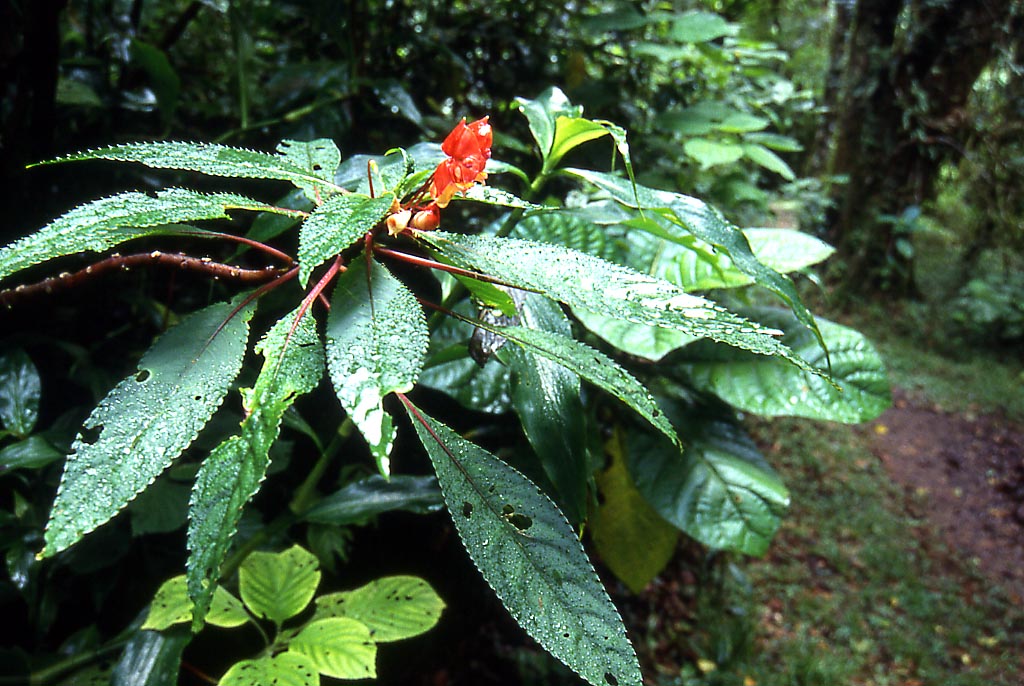
The loss is not just ecological; it is evolutionary. Madagascar separated from the supercontinent Gondwana about 90 million years ago, becoming an isolated natural laboratory. Here, evolution took its own path, generating over 13,000 plant species, 83% of which are endemic, meaning they do not exist anywhere else. But the term “endemic” is insufficient: these species are relational, co-dependent. For example, Dalbergia trees (Madagascar rosewood) only fruit in the presence of certain species of pollinating bats; many orchids survive thanks to specific symbiotic fungi. Every plant, every seed, is a node within an ecological and cultural network that science is now trying to map before it is completely broken.he venga spezzata del tutto.
A collective cognitive infrastructure
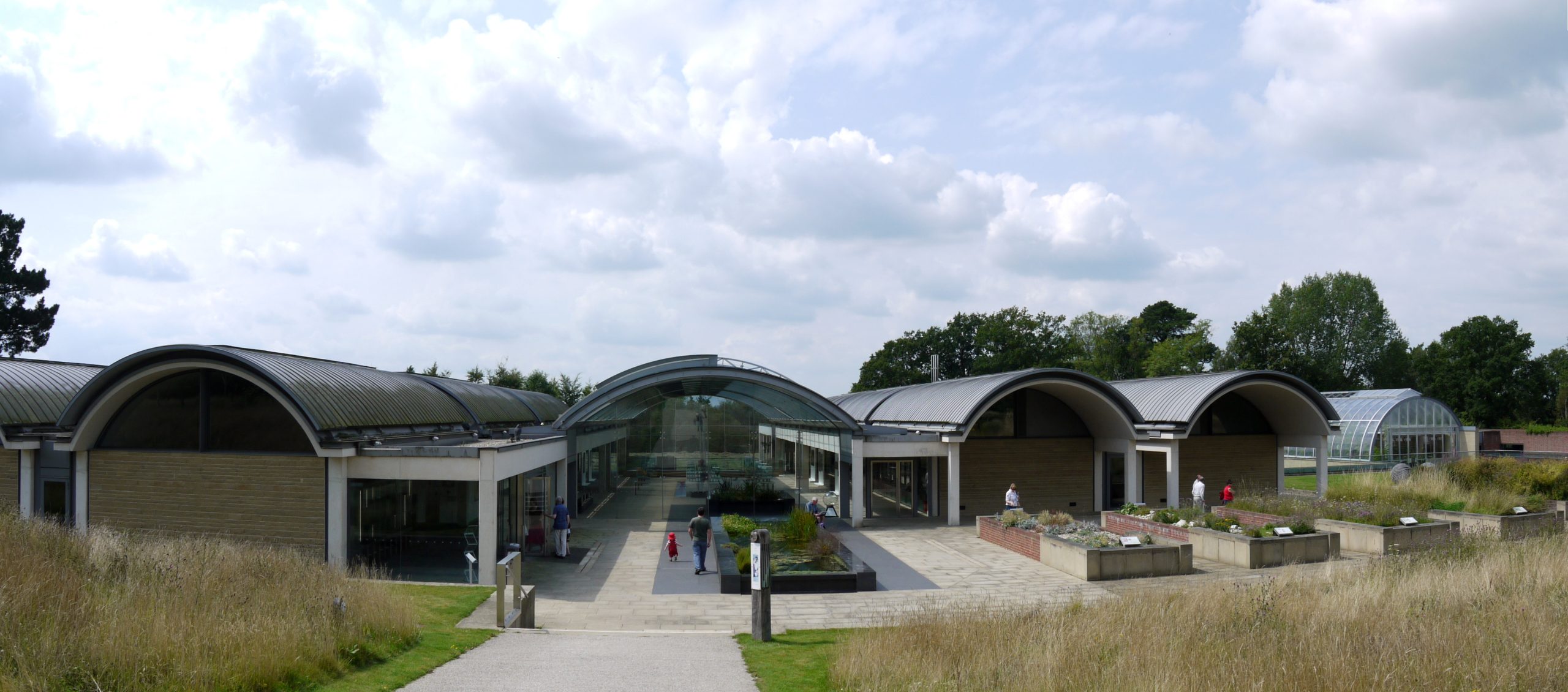
The Millennium Seed Bank at Kew in Sussex is the response to this accelerated loss. Founded in 2000, it now houses over 2.5 billion seeds from 40,000 species, representing about 10% of the world’s flora. The seeds are stored at -20°C in controlled humidity conditions, tested for germination, and accompanied by genetic sequencing and ecological origin data. Each specimen is duplicated in multiple storage locations to prevent accidental loss: Madagascar, the only country besides the UK with a direct Kew site, sends samples collected by local botanists and rural communities, who actively participate in the process.
This network forms a collective cognitive infrastructure, a model of global cooperation where the conservation of life is not just a technical act but a shared form of governance. Every seed is recorded, studied, and distributed: a living archive that combines ancestral knowledge with biotechnology, academic research, and community care.
In 2020, for example, seeds conserved in the Seed Bank helped reintroduce a rare legume species (Glycine latrobeana) to Australia, almost extinct after fires. In 2024, the Kew Madagascar program added 18 new tree species to the collection, one of which had never been documented by science before.
Meanwhile, a few days’ walk from Antananarivo, someone collects a seed from a tree that only flowers once every five years. There is no scientific document confirming this, no botanical database recording its cycles. Yet, this action exists. It is passed down. It happens. It is told in the rural areas of the Malagasy interior, much like foundational myths: not to verify them, but to inhabit them. That seed is real not because it is measurable, but because it is shared. Because every time someone collects it, they recognize in that movement a promise of continuity that no digital platform can preserve.
A social and scientific experiment
A botanist opens a magenta fig in the heart of the forest and finds seeds too damp to be stored, “recalcitrant,” they call them. Too much water to survive the freezer’s cold. Too much life to be immobilized. So, they are immediately planted in the soil, among the lemurs’ roots and the farmers’ hands. Every germination is both a social and scientific experiment: a widespread laboratory where knowledge is transmitted not through papers, but through actions.
The future is not only built in data centers but also and especially in nurseries. Not in simulations of thought, but in the continuity of germination. The seed is the opposite of code: where code reduces, the seed expands. Where the algorithm predicts, the seed waits. It only grows when conditions permit, and sometimes, like in Madagascar, only every five years.
This is the measure of hope: not the immediacy of the answer, but the duration of the wait. Not the calculation, but the trust in time and in the community that inhabits it. While digital civilization accumulates data to control the world, the civilization of seeds collects them to return them.
When pigs fly
When the eastern forest disappears, said an ancient Eastern saying, then the pigs will fly. Once it meant “never.” Today, after decades of deforestation, the proverb has become reality. But in the hands of those who still collect seeds, the meaning is reversed: perhaps, one day, it will again be unthinkable for the forest to disappear.
Sources:
https://www.kew.org/read-and-watch/millennium-seed-bank-25-facts
https://brahmsonline.kew.org/msbp