

by Martina Masullo – PhD candidate in Politics and Communication at the University of Salerno.
Food today is not just what we eat. It is also what we watch, share, interpret, and—above all—tell. In the digital society, food has become a powerful visual and narrative language. From Instagram posts to Netflix formats, from 30-second recipes on TikTok to author documentaries, and even the seriality linked to food, nutrition, and restaurants, food has definitively transformed into content, and often even into a character. This article explores how food is represented online, the new formats, influencers, aesthetics, and media rituals linked to food, and how all of this influences not only how we eat but also how we think about food and its producers. The premise is clear: food is communication, culture, and identity.
A Brief History of Food Storytelling on Social Networks
The representation of food online has shifted from a desire to impress to a need to connect. Today, the focus in food storytelling is on experience, everyday life, and the creator’s personality, rather than on the perfection of the dish. 2010 is the year food storytelling online began to change. Instagram was born, the social network that made visual representation its distinguishing feature: everything is image, everything is visual—even a hard-boiled egg.
The Era of Food Porn on Instagram (2010 – 2016)
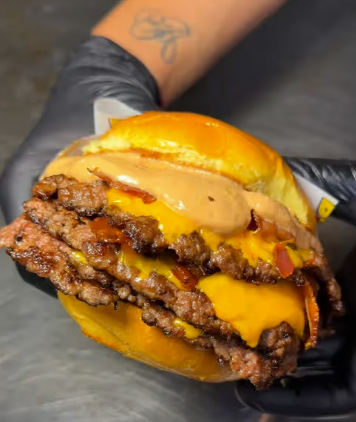
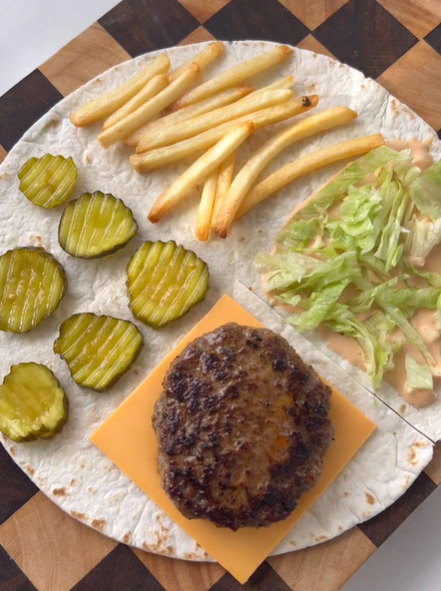
In the early years, posts and content on Instagram were all characterized by a dominant aesthetic: highly curated, often overhead shots with natural light that gave the image more authenticity. The goal was to make your mouth water through what would soon become the phenomenon of #foodporn, complete with a viral hashtag. During this period, it was common to encounter images on social media of giant burgers or overflowing desserts, all represented through an abundant, colorful, and often excessive aesthetic.
Watch Example
Minimalism and Clean Eating (2016 – 2019)
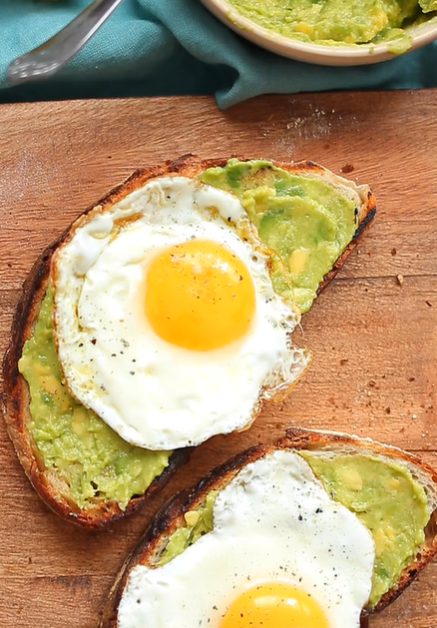
Literally: eating clean. Starting from Instagram—and now on TikTok—many viral videos focused on reducing food waste, shopping ethically, and cooking with seasonal or leftover ingredients. Hashtags like #ZeroWasteCooking and #EcoFriendlyMeals gained huge popularity, reflecting the growing interest in mindful food choices. Sustainability is central for Generation Z (those born after 1995), which, by promoting ecological practices like reusable containers and reducing food waste, as well as healthy eating, is contributing to redefining contemporary eating habits.
Watch Example
Meal Prep and Food Routine (2020 – Present)
The “aesthetic meal prep” consists of preparing meals in an organized and visually appealing way. Content creators show how to divide balanced portions into transparent containers, often with minimalist labels and decorations. The goal is to make meal preparation an enjoyable, sustainable activity that fits seamlessly into the daily routine. This phase makes it clear—even more so than before—that the focus is no longer on the result, but on the process of preparation.
Emily Mariko is a perfect example of this aesthetic and one of the most influential creators on TikTok, known for her cooking and lifestyle videos that combine aesthetics, simplicity, and practicality. With over 12 million followers, Emily has captured the audience with content ranging from meal prep to home care, including moments of daily life that convey serenity and authenticity. In the past year, she has also featured her son, preparing healthy and complete meals for him. Her attention to detail and calm presence have made her content especially loved by a young audience, particularly from Generation Z.
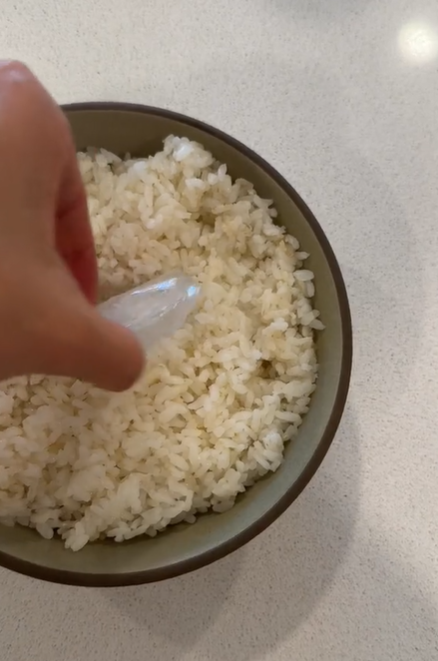
Her most viral video—the one on the Salmon Rice Bowl—shows how to turn salmon leftovers into a delicious dish: white rice, salmon, kewpie mayo, soy sauce, kimchi, and nori. What makes this video special is the rice reheating method: an ice cube and parchment paper in the microwave create a steam effect that keeps the rice soft and flavorful. This dish has inspired millions of users and led to a significant increase in sales of ingredients like salmon, dried seaweed, and kewpie mayo.
Watch Example
POV Videos and Personal Storytelling (2022 – Present)
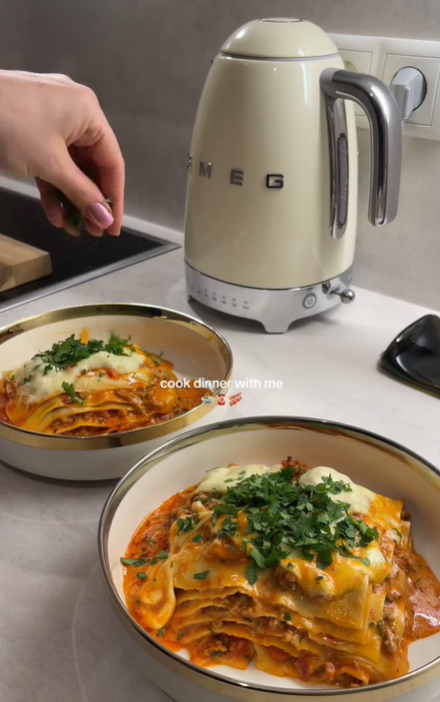
In the past three years, there has been an even more radical shift in perspective: the user has definitively gone from being an external observer to an immersive protagonist. Through Point-of-View (POV) cooking videos, the user not only cooks along with the creator but often shares anecdotes, confessions, or ASMR (Autonomous Sensory Meridian Response—pleasant sensations triggered by auditory or visual stimuli). This creates—or at least gives the impression of—a personal and intimate relationship between the user and creator, based on shared problems or thoughts. Confirming the growing focus on content over form, the aesthetic of these videos is less perfect, more authentic, often ironic, or—indeed—intimate.
Watch Example
The Concept of “Media Food Experience”
A media food experience refers to a culinary experience that is not physically lived but instead perceived, imagined, or recreated through a screen, smartphone, or social platform, thus becoming a digital content experience.
The user does not taste the dish but can imagine its flavor, hear the sounds of its preparation (think ASMR content), and recognize its smells through visual or textual references. In this way, an emotional or symbolic relationship with food is built, which can influence habits, desires, and consumption.
In summary, the media food experience:
- Redefines food consumption: it’s not just nutrition or taste pleasure, but also entertainment, identity, and connection.
- Shapes expectations and trends: seeing trendy dishes can influence what we want to cook, order, or photograph.
- Is part of digital identity construction: what we cook and how we present it becomes a way of storytelling to others.
Digital Chefs Before TikTok: Benedetta Rossi and GialloZafferano
In the social media era, new “chefs” are no longer just trained in restaurant kitchens but also in front of smartphones. You don’t need to wear a white jacket or have a Michelin star: just an organized kitchen, good natural light, and authentic storytelling. But is it really that simple?
On platforms like TikTok and Instagram, food has become a language through which to tell one’s story, influencing the professional dimension and blurring the boundary between chefs and creators.
Figures like Emily Mariko, Joanne Molinaro (The Korean Vegan), and Chef Reactions are emblematic examples of this transformation. Recipes are no longer just culinary instructions: they are storytelling tools, moments of narrative, daily rituals that show personality, values, and emotions. The new “digital chef” doesn’t just cook: they entertain, inspire, and share life fragments. Success is measured in views and followers.
A prime example is the Webboh Awards, a prestigious Italian award for content creators, which recently added the category “Best Food Creator,” recognizing influencers like Andrea Capodanno, Diletta Secco, and Cooker Girl, selected and voted by users.
Food, then, transforms from an object to consume into a vehicle for identity, telling cultural origins, family habits, and personal fragilities. The kitchen becomes a narrative set. It’s a shift from recipe to character.
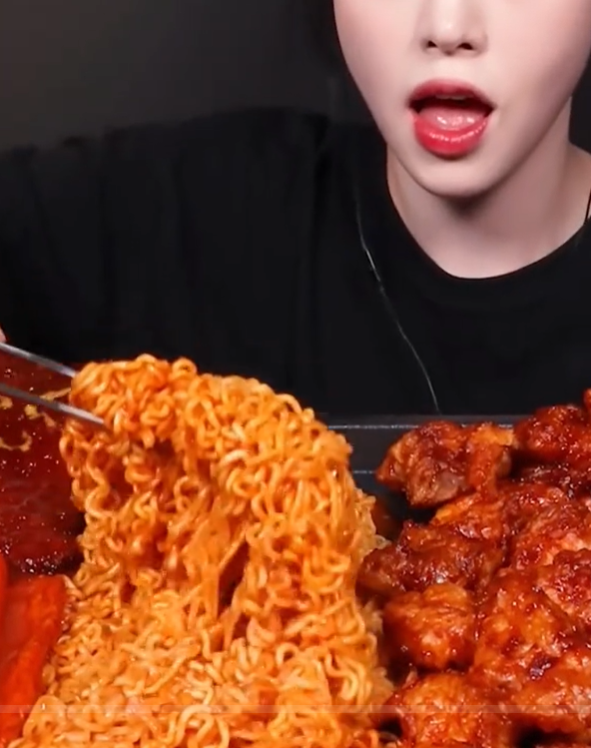
- Mukbang: a South Korean phenomenon where large quantities of food are eaten while interacting with the audience; long videos, abundant food consumption, often accompanied by ASMR; the goal is to entertain and create a sense of virtual companionship. However, this type of content has raised concerns regarding the promotion of unhealthy eating habits and health risks.
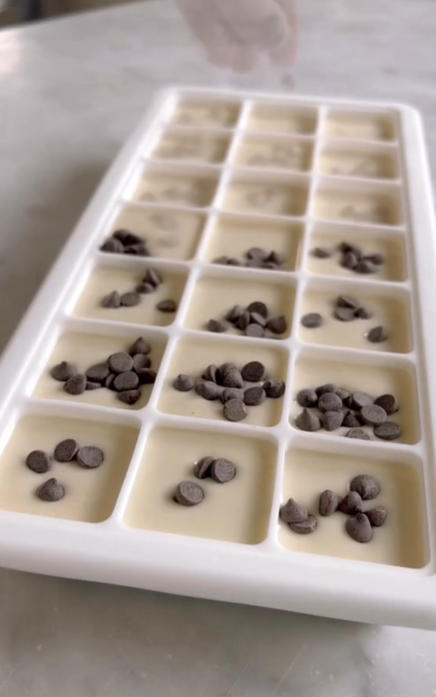
- Food Hacks: tips and tricks to simplify food preparation and storage; creative solutions, often focused on efficiency and time-saving; the goal is to enhance the daily cooking experience.
Food Platform Seriality: TV Series, YouTube, and Netflix
In recent years—also in Italy, but not only—food has become the protagonist of series and docuseries, assuming a central role in television and digital storytelling. Cooking is no longer just an object of consumption, but a cultural, emotional, and identity-based narrative. From prime-time shows to web formats, food transforms into entertainment and reflection.
Many Italian contents adopt the serial structure typical of contemporary storytelling:
- Seasons: shows like MasterChef or Cortesie per gli ospiti renew their casts, themes, and challenges season after season, but maintain strong recognizability;
- Self-contained episodes: each episode of 4 Ristoranti tells a journey through a different Italian region, with a challenge among local restaurateurs;
- Consumption rituals: these shows are followed as regular appointments; each week, viewers know what to expect, developing familiarity and affection for the formats.
This seriality also reflects the rituality with which we experience food in our culture: it marks time, creates bonds, and builds regional identities.
Educational vs. Entertainment
One of the most interesting aspects of these contents is their hybrid nature: they lie halfway between education and entertainment.
- Educational: Docuseries like Cooked or Ugly Delicious aim to inform and make viewers reflect on the cultural, historical, and ethical aspects of food; they offer a critical, often politicized view of our way of eating;
- Entertainment: Formats like Nailed It! or Iron Chef focus on spectacle, humor, and competition, using food as a pretext to entertain, laugh, or surprise.
Many contents manage to balance both aspects, giving life to what is called edutainment: informing while entertaining, educating through entertainment.
The Food Network Chapter
Food Network Italia is the local version of the U.S. channel, launched in 1993 by Scripps Networks Interactive, now part of Warner Bros. Discovery. The channel officially launched in Italy on May 8, 2017, replacing Agon Channel on digital terrestrial channel 33. It represents a true culinary immersion: with different formats, local kitchens—whether simple or elaborate—and iconic characters, it has become the reference point for food lovers, but not only. The warm, homely aesthetic of most Food Network programs has made the channel a “comfort zone” for many viewers, beyond their passion for cooking.
Carlotta Perego, known on social media as Cucina Botanica, was one of the first vegan food influencers to achieve great success on Instagram, which led to her being given a TV channel, Real Time, where she hosts “L’orto di Carlotta”, cooking accessible, replicable, and appealing vegan recipes. Carlotta has brought new attention to vegan cooking and contributed to making it pop and mainstream, no longer something niche and unattractive.
Beyond Food Network, there exists a world of shows, TV series, documentaries, and other formats linked to food and cooking that are worth exploring:
- Chef’s Table (Netflix): The cult of haute cuisine: created by David Gelb, Chef’s Table is a serial documentary that tells the life and philosophy of great international chefs. Each episode is structured like an artistic portrait: through a cinematic visual language (slow motion, symphonic soundtrack, elegant shots, intimate narration), it legitimizes culinary formats as a true form of art, as well as the serial format.
- Dinner Club (Prime Video): Journey, story, cultured irony: starred chef Carlo Cracco takes Italian actors and actresses on regional gastronomic trips, aiming to teach them authentic Italian cooking. The tone is light and ironic, but it is also a “high” content closely tied to the aesthetic dimension of both food and travel.
- Street Food (Netflix): Dignity and identity in street food stalls: created by the producers of Chef’s Table, Street Food adopts a similar aesthetic but shifts focus from Michelin-star restaurants to kiosks, carts, and stalls in Asian, South American, and Mediterranean cities. Each episode tells the personal story of a street food vendor, often tied to poverty, resilience, and the family transmission of knowledge. Food is a daily act, cultural resistance, survival economy, and local pride. Here too, the travel dimension is essential, but the chef’s story—the person cooking the food—is at the center of the narrative. Food becomes personal and cultural identity.
- Somebody Feed Phil (Netflix): Curiosity, lightness, and connection: the star of the series is Phil Rosenthal, not a chef, not a critic, just a curious person traveling the world eating, laughing, and chatting with people. Again, themes of travel and cultural identity emerge.
- Salt Fat Acid Heat (Netflix): Seriality and popularization: based on the best-selling book by Samin Nosrat, Salt Fat Acid Heat is a four-episode Netflix docuseries that explores the four basic elements of taste: salt, fat, acid, and heat. Each episode is set in a different country—Japan, Italy, Mexico, and California—and focuses on a basic principle of cooking, both as a technique and as a philosophy. Once again, travel is closely linked to the culinary dimension.
- The Bear (Disney+): Not a typical cooking series, but an emotionally charged drama set in the kitchen, able to discuss family, pain, social class, and personal rebirth. The kitchen becomes the heart of an intense, realistic, and deeply human narrative. It’s not so much the food that’s the protagonist in The Bear, but the space used to create it: the kitchen, which for many chefs represents not just a physical space but a true identity, relational, and confrontational dimension.
- Binging with Babish (YouTube): Andrew Rea, alias Babish, revolutionized YouTube with a unique format. The idea is to recreate iconic dishes from movies and TV series, combining culinary precision, dry humor, and minimalist aesthetics.
Agriculture and Digital Authenticity: New Rural Narratives?
In recent years, social media has transformed (also) how we perceive and tell the agricultural world. Once considered distant, laborious, and unappealing, today the work in the fields is reinterpreted as a conscious life choice, aesthetic, and often aspirational. The aesthetic trend of cottagecore has played a key role in the romantic rediscovery of the rural world: images of well-kept gardens, homemade bread, wildflowers, and linen clothing fill Instagram and TikTok.
This lifestyle exploded during the lockdown, a period when people sought—perhaps more out of necessity than desire—to return to “home-made.” This idyllic imagery, caught between idyll and nostalgia, presents the countryside as a space of authenticity, slowness, and natural beauty. Parallelly, figures like farm influencers—farmers, breeders, beekeepers—document their daily work, mixing informative content, personal storytelling, and strong aesthetic components.
The tractor becomes a set, milking a tutorial, sowing a shared ritual. Agricultural life follows the logic and rules imposed by social media on almost all dimensions of reality and the everyday.
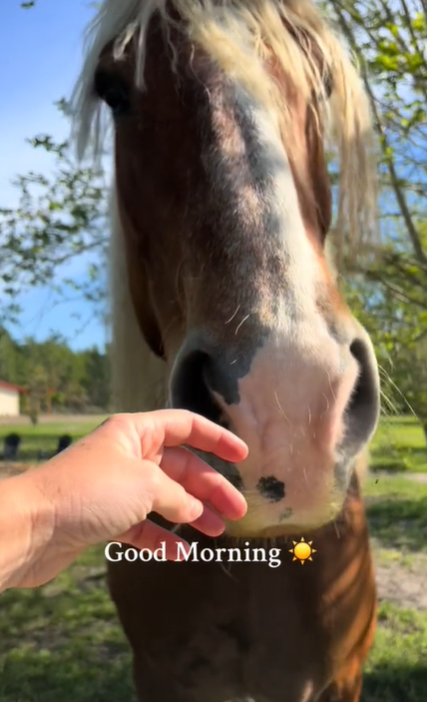
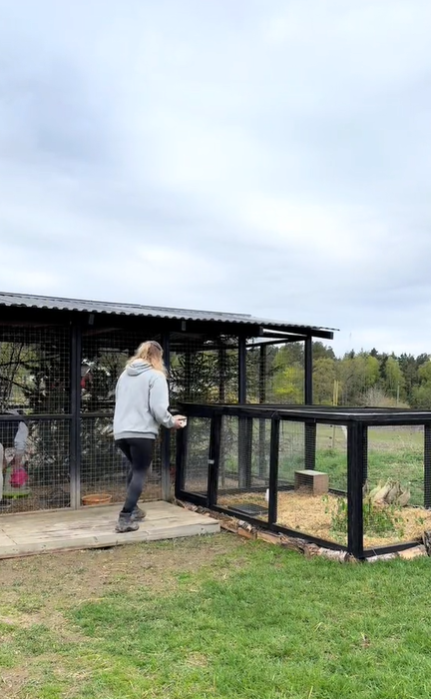
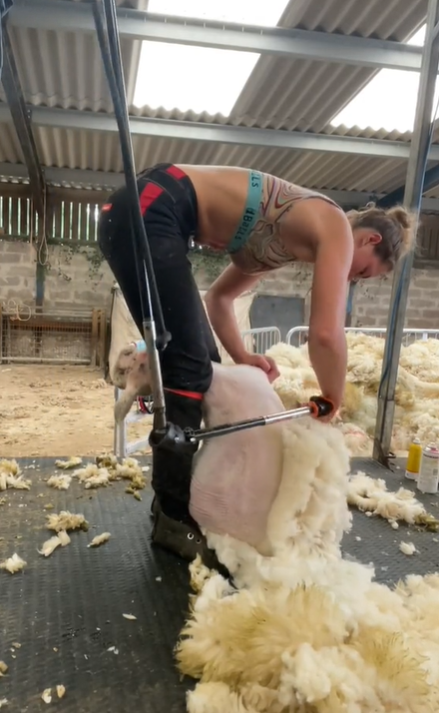
However, on social media, agricultural work is increasingly linked to environmental and ethical themes, especially among younger people, members of Generation Z, for whom ethical, environmental, and sustainable dimensions are at the core of their life.
The idea—and perhaps the final invitation—is that, regardless of how much of the agricultural content on social media is true or filtered, it can guide increasingly precise values:
- Sustainability: telling stories of regenerative practices, low-impact practices, and alternatives to intensive agriculture;
- Seasonality: valuing natural cycles, patience, and respect for the earth’s time;
- Traceability: showing the “behind the scenes” of the food supply chain, offering transparency and connection between producer and consumer.
These narratives respond to a growing desire for food awareness and reinforce the idea that returning to the land is a political act as well as an aesthetic one, especially in today’s fragmented political, social, and cultural society.