

A seminar by Martina Masullo for the Department of Agriculture at the University of Federico II, in collaboration with Rural Hack
In the increasingly complex and interconnected landscape of global food systems, the role of the agronomist is undergoing profound transformation. No longer (only) the technical expert in soils, crops, and livestock, the agronomist is now, according to the FAO, expected to become an agent of systemic change, capable of understanding the cultural, social, digital, and environmental dynamics that shape food production and consumption.
It is within this perspective that, on Thursday, May 29, at 2:00 PM, in the Aula Patologia on the 2nd floor of the Department of Agriculture at the University of Naples Federico II, the seminar “Social Flavor and Food Platform Seriality” will take place, promoted by the Agricultural Policy course of Professor Teresa Del Giudice in collaboration with Rural Hack. The lecture will be given by Martina Masullo, PhD candidate in Politics and Communication at the University of Salerno, with introductions by Professor Alex Giordano, scientific director of Rural Hack, and Professor Alfonso Amendola, media sociologist.
Food as a Cultural System (and as Policy)
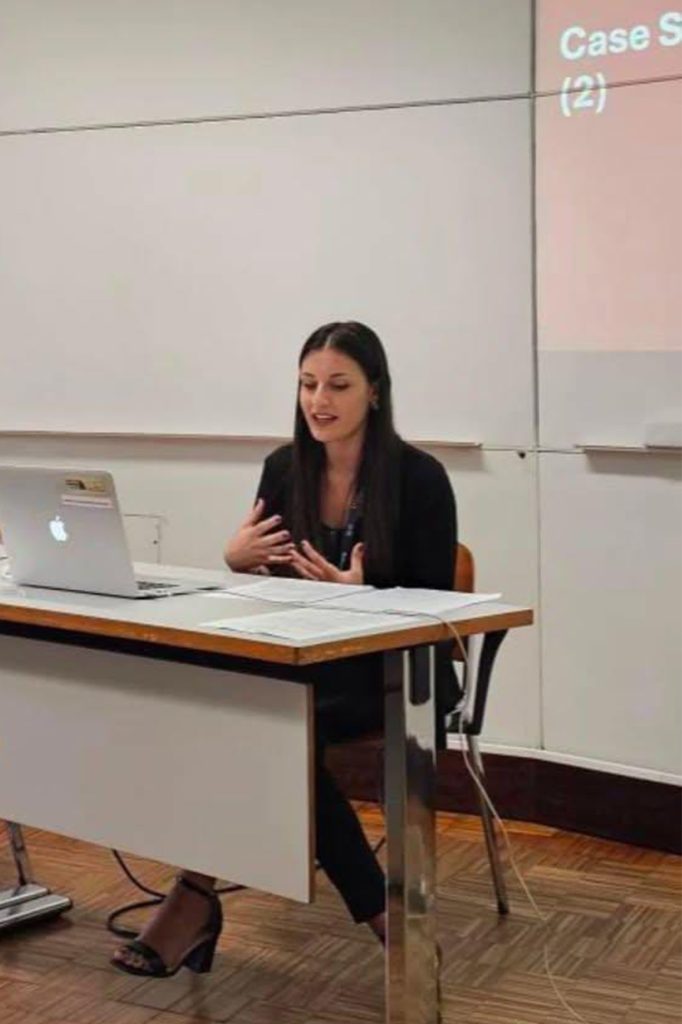
At the core of Masullo’s intervention is an innovative approach: reading food as a cultural and media object, shaped by communication logics, digital seriality, viral phenomena, and new forms of representation.
“Food is increasingly a cultural, narrative, and social phenomenon,” Masullo explains, “and understanding how it moves in the media is crucial for those working in agricultural policies and food systems.”
Concepts such as social flavor and food platform seriality open a window on how digital platforms — from TikTok to Instagram, from food networks to TV series — are radically changing the ways in which food is represented, desired, and consumed. In this context, micro and nano influencers become real policy actors, capable of influencing food choices and lifestyles, often more effectively than institutions.
The FAO’s Vision: A “Systemic,” Digital, and Inclusive Agronomist
The FAO, in its Strategic Framework 2022–2031, has clarified what it means to be an agronomist today: a professional who operates in an interdisciplinary context, with skills that go far beyond traditional agronomy. Among these are:
- Digital Skills: Knowing how to use emerging technologies, platforms, GIS systems, but also reading social media languages and understanding how they influence demand.
- Agroecology and Sustainability: The ability to design regenerative, resilient, and local systems.
- Social Inclusion and Communication: Being able to engage with communities, youth, consumers, and using the right language to build trust and participation.
- Policy and Advocacy: Contributing to public and private strategies with systemic and critical thinking.
Media Literacy and Cross-Disciplinary Skills: A New Educational Horizon
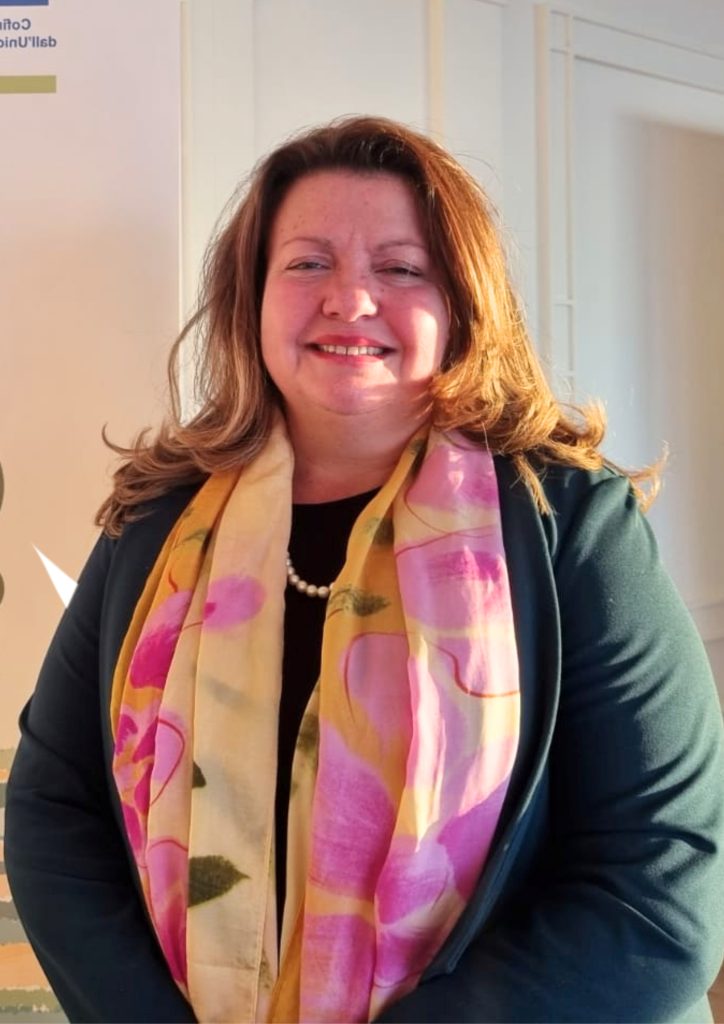
“The seminar,” says Teresa Del Giudice, “contributes substantially to this vision, introducing topics related to cultural consumption, media literacy, and food communication into a technical and productive faculty like Agriculture. Why is this important?
Because future agricultural policies will have to take into account the representations of food in the media, the cultural models influencing demand, and the communication strategies that can promote sustainable, fair, and healthy diets. This seminar,” she concludes, “represents an important piece in a path of contamination between agricultural, social, and digital knowledge. It is a concrete example of the transdisciplinary education we believe is essential for driving the transformation of food systems.”
We cannot design new agricultural policies without understanding how food lives on social media, how it is represented in digital formats, and how these narratives influence citizens’ choices. This aspect becomes crucial to designing mechanisms that promote full awareness of food quality, beyond greenwashing and “stronger” propaganda.
A Digital Opportunity for Agronomy
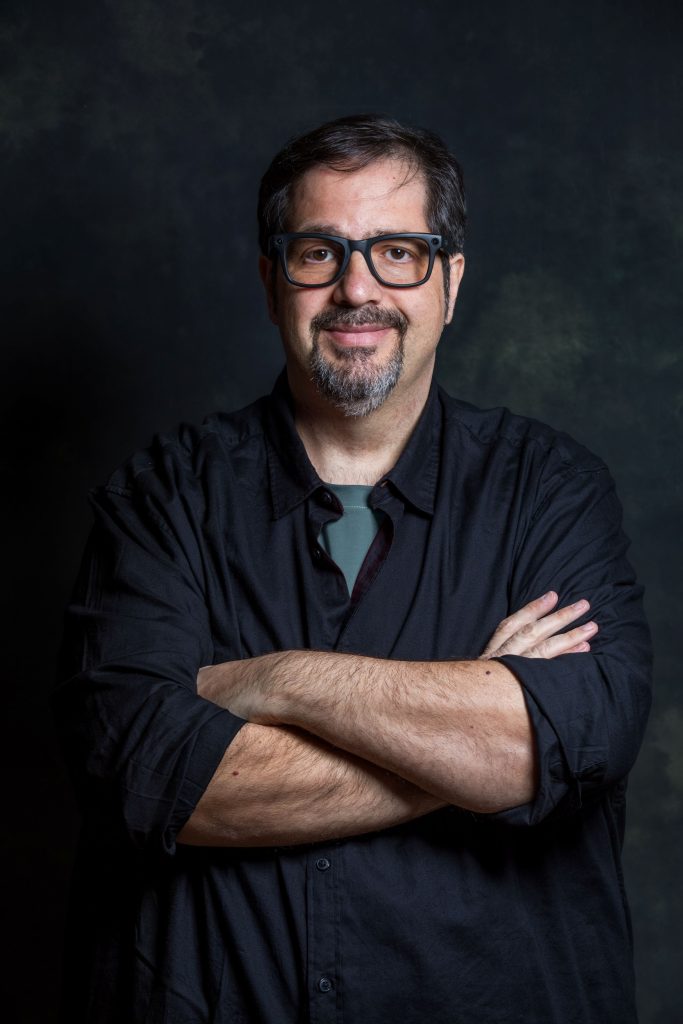
“The digital era today represents an unprecedented challenge and opportunity for the agro-food sector and for the role of the agronomist,” says Giordano. “Often, we only talk about social media and persuasive marketing, sectors where dynamics can fuel polarization and a real ‘Babylonian’ communication.
But the real revolution lies in how we can redirect artificial intelligence and digital technologies towards new horizons of knowledge and action. AI should not only be a tool to perfect marketing strategies or increase engagement but a powerful ally to reveal previously invisible relationships, such as between soil health and human health, or between underground root communications and the rhizomatic network of biodiversity.
This approach will allow us to address global challenges, such as ecosystem resilience, food security, and territorial regeneration, with an integrated and multidimensional view. For this reason, training a new generation of agronomists means teaching not only traditional agronomy but also systemic thinking, advanced digital skills, and a deep critical awareness of the ethical and responsible use of AI.
Only in this way can we transform technology from a simple tool of persuasion to a lever for real, inclusive, and sustainable change, capable of generating genuine innovation and safeguarding our planet.”
The Role of Food in Social Media
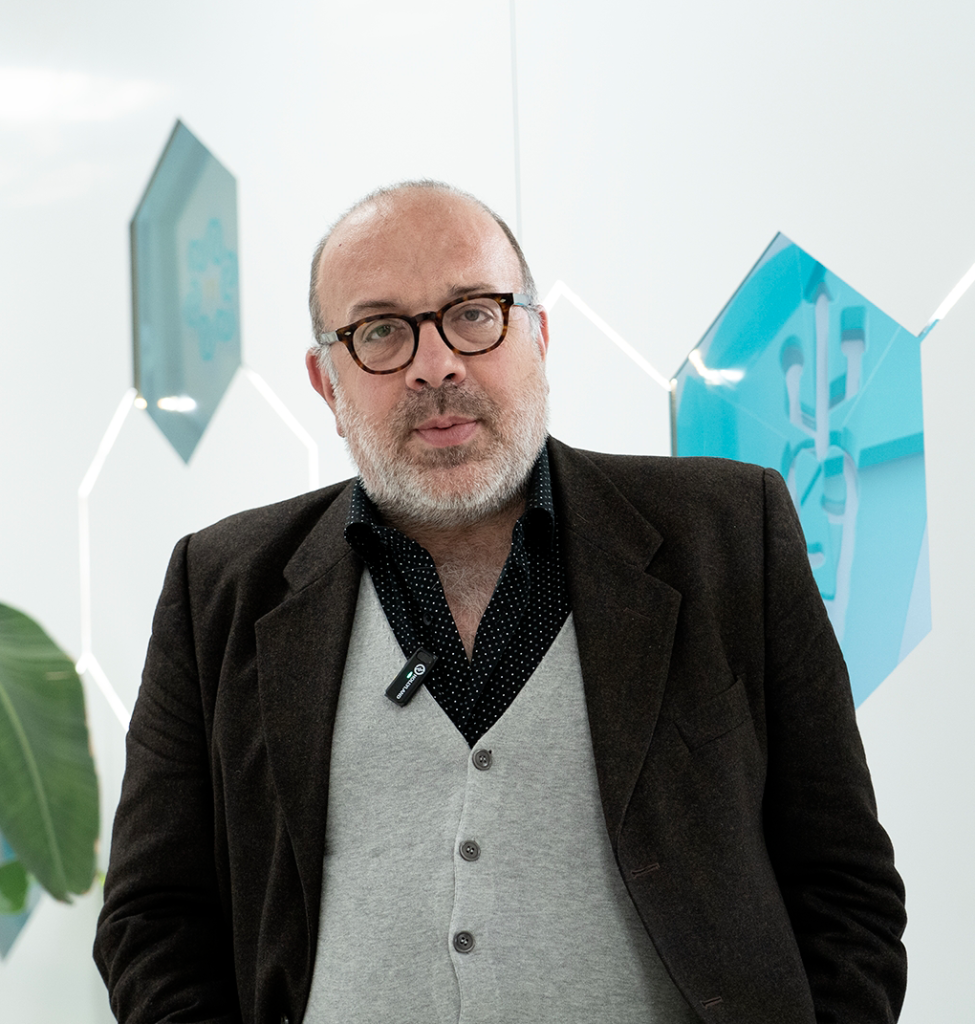
“In the contemporary context, food is no longer just sustenance, but a social language, a shared content, and a powerful marketing lever,” explains Amendola. “The concept of social flavor emphasizes how food tastes are now built through the dynamics of social networks, where visibility and sharing shape desires and choices.
In this scenario, micro and nano food influencers emerge as key figures: their perceived authenticity and proximity to communities make them strategic actors in promoting products and consumption patterns. At the same time, digital culinary seriality — with recipes, challenges, and repetitive formats — helps transform the food experience into a continuous, interactive ritual mediated by screens.
The seminar, therefore, aims to be a space of reflection on these transformations, exploring the intersection between food culture, digital communication, and market strategies.”
The Agronomist of the Future
The agronomist of the future, as this seminar clearly shows, will also need to be a communicator, educator, and cultural strategist, capable of reading the complexity of reality. Because food is not just nutrition or production; it is imagination, relationship, and influence.
To stay updated on all Rural Hack projects, follow our blog and social channels.
Want to organize a similar seminar at your university or institution? Write to us at info@ruralhack.org.