

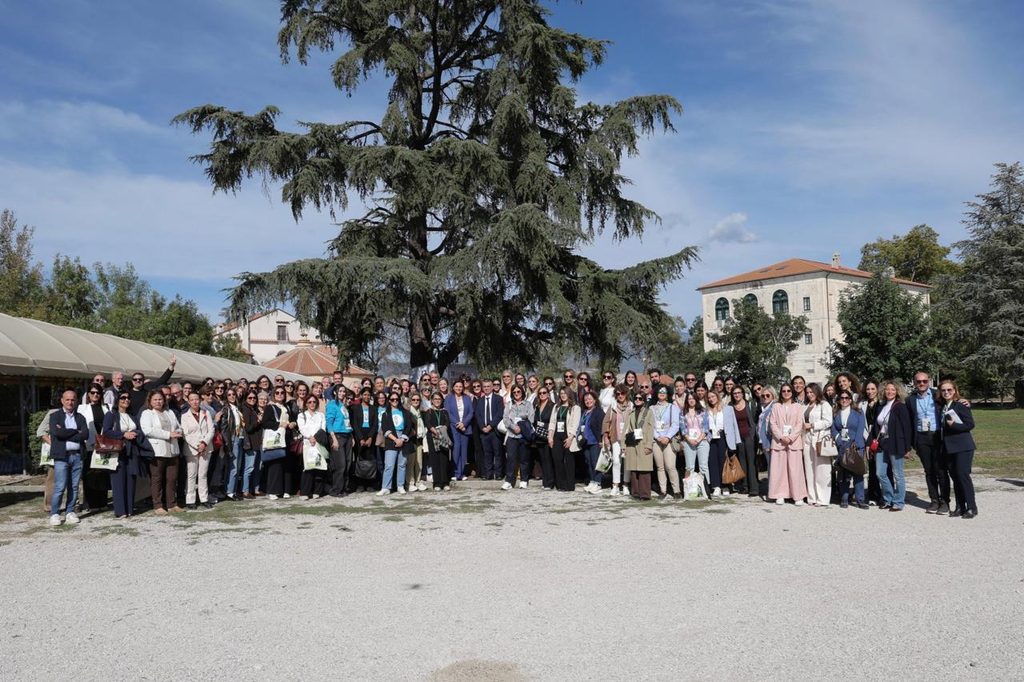
In Campania oltre 30mila aziende agricole sono guidate da donne, quasi il 39% del totale. La regione è seconda in Italia per numero di imprese agricole femminili, ma questa presenza incontra ancora difficoltà nell’accesso al credito, agli investimenti e ai luoghi delle decisioni. Nei dati presentati dall’Assessorato all’Agricoltura, il valore medio dei progetti femminili ammessi ai finanziamenti del CSR si attesta a 140mila euro, contro gli oltre 200mila di quelli maschili. Alle donne arriva meno di un quarto delle risorse complessivamente destinate alle imprese.
These conditions provided the starting point for “Women and Agriculture in Campania. Enterprise, Innovation and the Future of Rural Areas”, held on 15 October at the Improsta regional experimental farm in Eboli. Organised by the Regional Department of Agriculture in collaboration with Agrocepi Campania, CIA Campania, Coldiretti Campania, Confagricoltura Campania and Copagri Campania, the event included Rural Hack among its partners.
The gathering marked the International Day of Rural Women, during the UN-designated International Year of the Woman Farmer 2026. It brought together institutions, researchers, professional organisations and women entrepreneurs to develop proposals for the region’s future agricultural policy.
“Our objective is to support the creation and growth of women-led businesses through measures, including innovative ones, inspired by the proposals emerging from the six thematic working groups we convened,” said Maria Carmela Serluca, Campania’s Regional Councillor for Agriculture. She identified the 2028–2034 programming period as the framework for translating the discussions into concrete action.
Women in Campania’s agriculture, from participation to decision-making
The figures presented by the Region raise questions about how opportunities are distributed. Smaller, less capitalised businesses have less room to invest, while gaps in welfare services and difficulties accessing training affect the time and resources available to develop a business. Women’s limited involvement in decision-making also makes it harder for these needs to inform public policy.
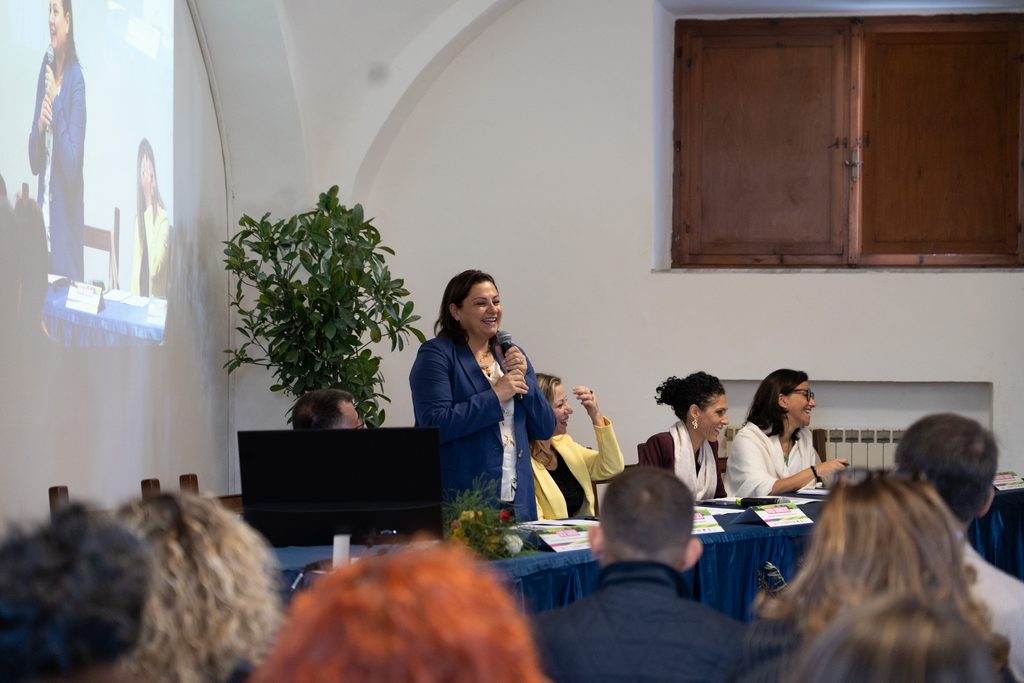
Institutional participants included Massimiliano Manfredi, President of the Campania Regional Council; regional councillors Claudia Pecoraro, Angelica Saggese and Fiorella Zabatta; and CRAA President Luca Sgroia. Clara Park, FAO Gender Team Leader for the International Year of the Woman Farmer, and Catia Zumpano, a research director at CREA, contributed by video. Teresa Del Giudice, Professor of Agricultural Policy at the University of Naples Federico II, delivered the closing remarks for the morning session.
Women entrepreneurs shared experiences spanning wine production, floriculture, cereal farming, agritourism and fisheries. Their accounts grounded the discussion of resources and innovation in the decisions they face every day.
Paramie and the Kit, turning knowledge into the capacity to act
Our researcher Paramie Vidarshana, Research & Analysis Leader at the World Food Forum Italy Chapter and Senior Researcher at Rural Hack, spoke in the plenary session, presenting the collaboration between the two organisations and the Empowerment Kit pilot programme in Campania.
“The technological transition should not simply be endured; it must be steered. And to steer it, we need tools, skills and networks,” Paramie explained. Within the FoodSystem 5.0 perspective developed by our Scientific Director, Professor Alex Giordano, technologies are examined through the needs of the people and places that will use them. The question “innovate for whom?” guides the assessment of the benefits, costs and dependencies a solution may create.
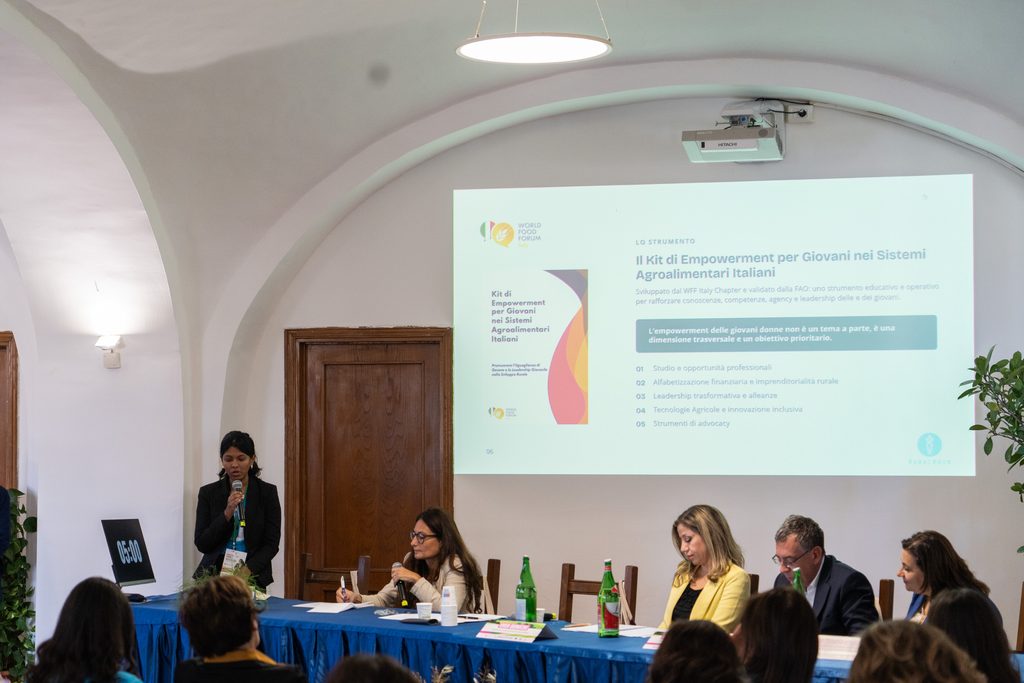
The Youth Empowerment Kit for Italian Agrifood Systems, developed by the World Food Forum Italy Chapter, provides educational and practical tools covering education and careers, finance and entrepreneurship, leadership and partnerships, technology and inclusive innovation, and advocacy.
“The empowerment of young women is not a separate chapter. It is a cross-cutting dimension and a priority goal of the entire programme,” Paramie stressed. Building this capacity means enabling people to recognise barriers, assess opportunities and help shape decisions.
Rural Hack is launching workshops with secondary schools and universities in Campania to test the Kit’s methods and exercises, adapt them to different educational settings and gather feedback. “Together with the World Food Forum Italy Chapter, we want to turn the Kit from a knowledge tool into a tool for action,” she explained, asking the Regional Department to support its dissemination.
Her contribution was very well received. During breaks and informal conversations, many participants approached us to explore opportunities to pilot the Kit, opening up new possibilities for collaboration.
Local facilitators to help farms navigate digital transformation
In the afternoon, Flavia Molisso, supported by researcher Alessia Ciccarelli, facilitated Working Group 3 on artificial intelligence, digital transformation and women in agriculture. Women entrepreneurs and leaders of agricultural industry associations took part in a lively, productive discussion, generating recommendations submitted to the Regional Department.
A central request was for a closer, sustained relationship between the administration and rural businesses, supported by digital transformation facilitators working locally. These professionals would understand how farms operate, help them select appropriate tools and tailor skills development to their practical objectives.
Investing in technology requires understanding which problem to address, what organisational changes will be needed and what costs will arise over time. Support should help businesses make these assessments while keeping production needs, working conditions and decision-making autonomy in focus.
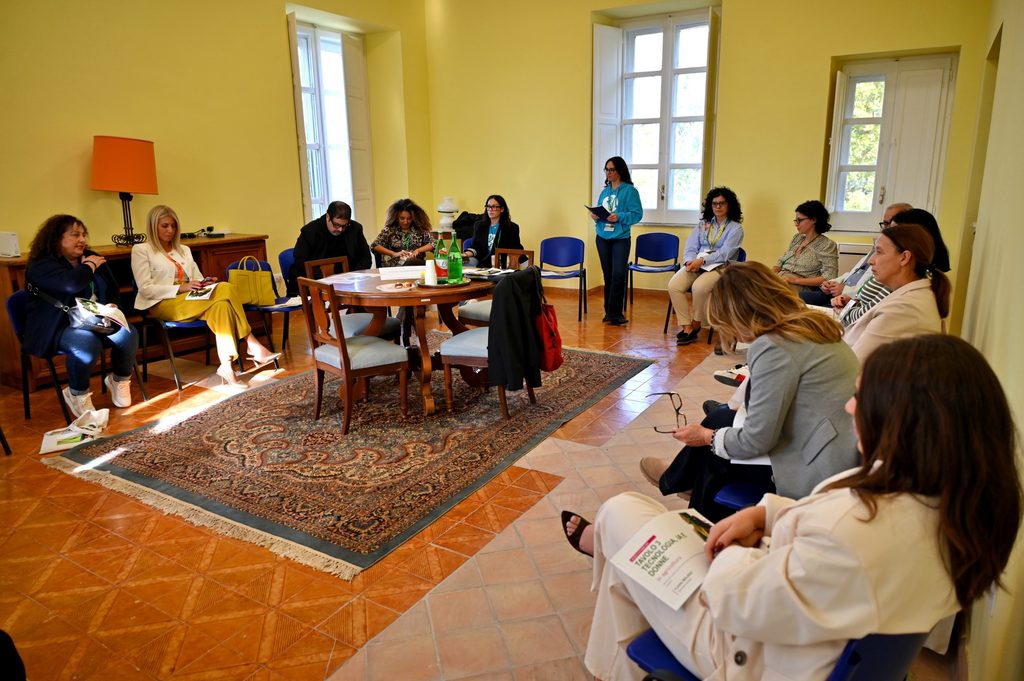
The group stressed the need to look beyond enthusiasm for new technology and examine the consequences a solution may have elsewhere. Participants discussed soil compaction associated with heavy machinery on tyres and expressed interest in testing smaller, remotely controlled machines according to specific tasks and farm conditions, including their potential to reduce workers’ exposure to certain hazardous operations.
Another proposal concerned co-farming arrangements and local hubs providing shared access to technology. For equipment used only a few times a year, sharing could spread costs and make tools available that individual farms would struggle to purchase. Such arrangements require reliable agreements on management, maintenance and scheduling, alongside the skills needed to operate the equipment.
Dalle proposte alla pratica dell’ascolto
Across the six working groups, the regional press release highlights proposals to strengthen women’s representation within the Tavolo verde, the region’s agricultural consultation forum; establish a permanent observatory on the needs of women farmers and agricultural workers; and bring Campania’s Local Action Groups together to identify welfare measures.
The continuity of this work will depend on whether participants can see their contributions reflected in future decisions. This is our hope following the Improsta event. We want participatory methods such as those used during the day, and those we have been testing for more than fifteen years through Rural Hack’s action-research journey, to become an increasingly established part of institutional practice.
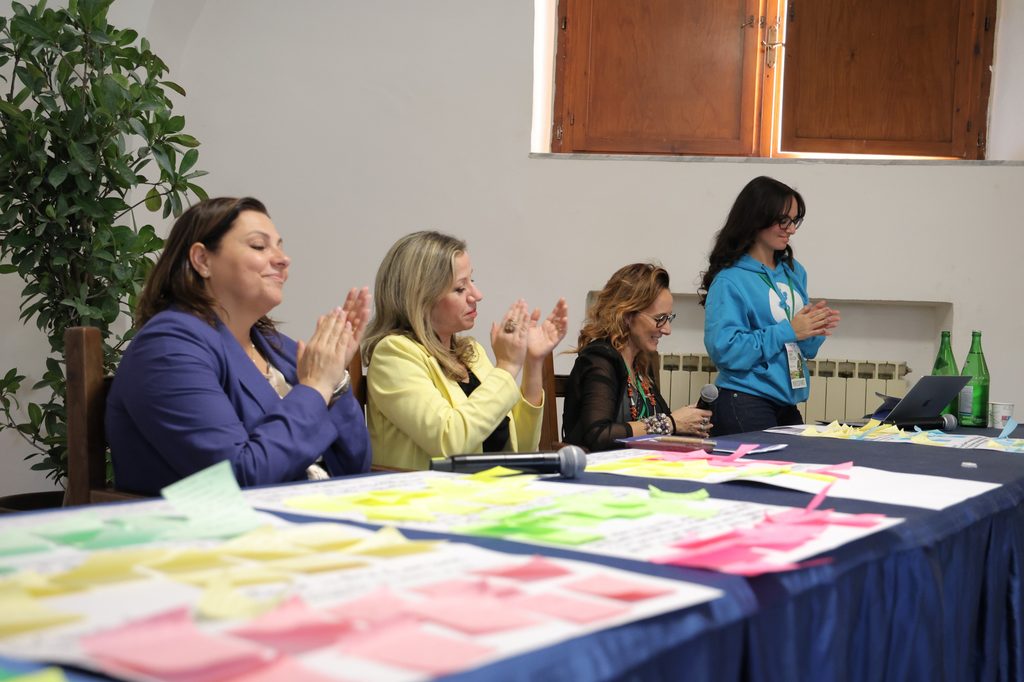
Professor Alex Giordano, who followed both the plenary session and Working Group 3 closely, shared this reflection with Councillor Serluca and the Department’s team.
“The bouquet of words that emerged in the word cloud projected at the end of the event fully captures the meaning and importance of a new approach for institutions: active listening. I am convinced that, if adopted authentically and beyond a mere statement of intent, this approach can produce extraordinary results.”
We thank Councillor Maria Carmela Serluca and the entire Department of Agriculture team for involving us in this inspiring and highly successful initiative, organised with dedication and passion. We hope the listening and relationships developed at Improsta will continue to support our shared work across rural communities.