

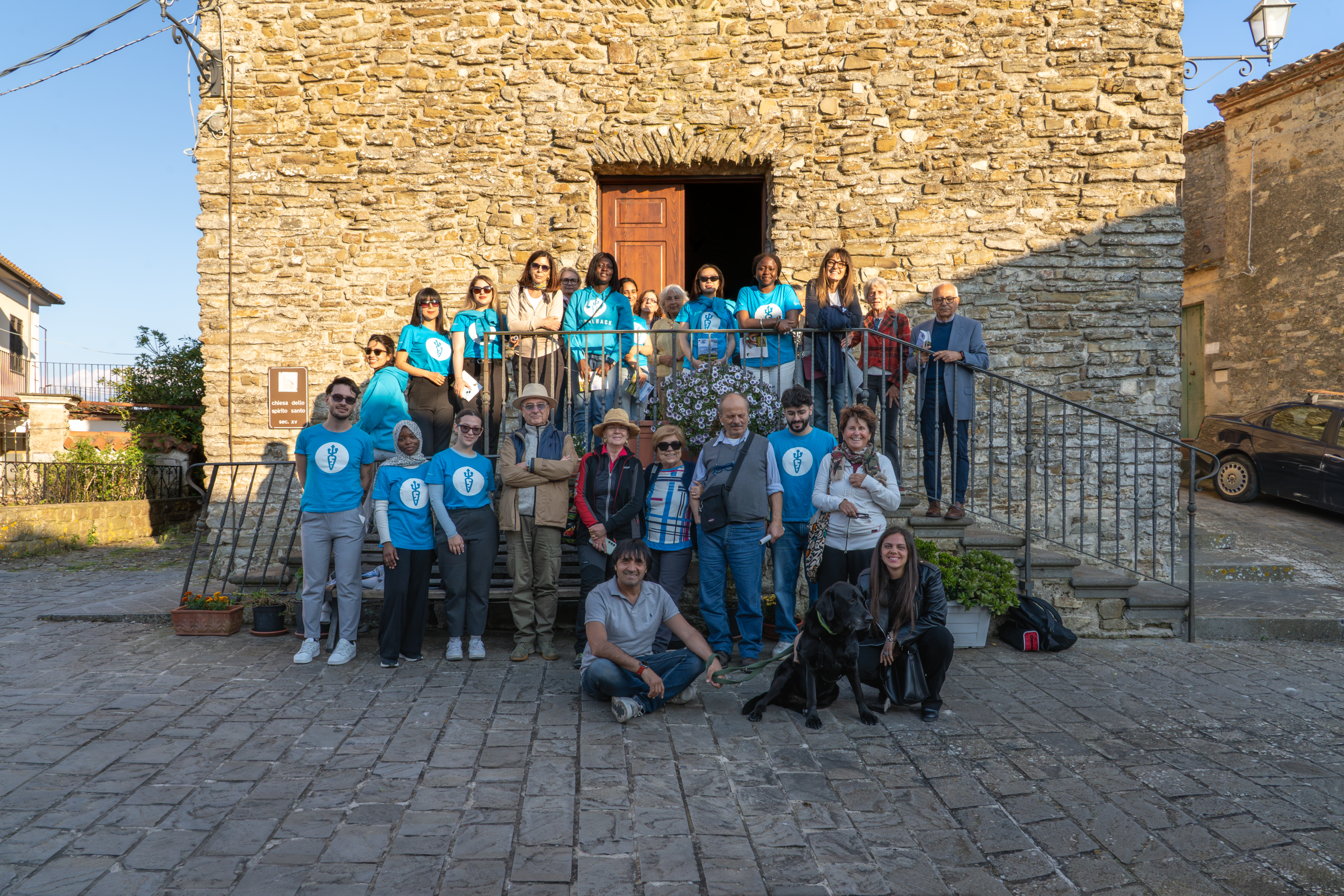
In the heart of Cilento, “Aprile alle Erbe” brought together applied research, local knowledge, cooperation, and biodiversity. An experience that shows how wild herbs, agroecology, and communities can become a concrete key to envisioning FoodSystem 5.0.
In this context, the Rural Hack research team was invited to produce texts based on key themes: agroecology, commons, territorial innovation, local knowledge, wild herbs as forms of ecological knowledge, and the transformation of research into a driver of immersion and action. The articles presented here are the result of this exercise.
Bioindicator Plants: When Research Becomes a Transformative Tool
The Rural Hack experience in Cilento began with a workshop led by Priscilla Oforiwaa Boateng Henaku — Junior Researcher at Rural Hack — which offered an important reflection on the role of academic research in territorial transformation processes. Too often, research is perceived as distant, confined to a theoretical space unable to impact everyday practices. Yet there is another possibility: to consider it as a device capable of producing accessible, useful, and situated tools.
It is in this shift that research stops being merely descriptive and becomes action. The example of bioindicator plants is particularly powerful: some wild species can reveal the condition of the soil, the availability of nutrients, the presence of environmental stress, or ongoing regenerative processes. Translating this knowledge into practices that can be read and applied in the field means making research more democratic, more tangible, and closer to the needs of those who work the land.
This perspective can also be understood as a form of hacking—not in the reductive sense of the term, but as a creative practice of problem-solving, adaptation, and the intelligent reuse of knowledge. From this viewpoint, research becomes a generative niche from which low-cost tools, processes of autonomy, and new ways of interpreting the territory can emerge.
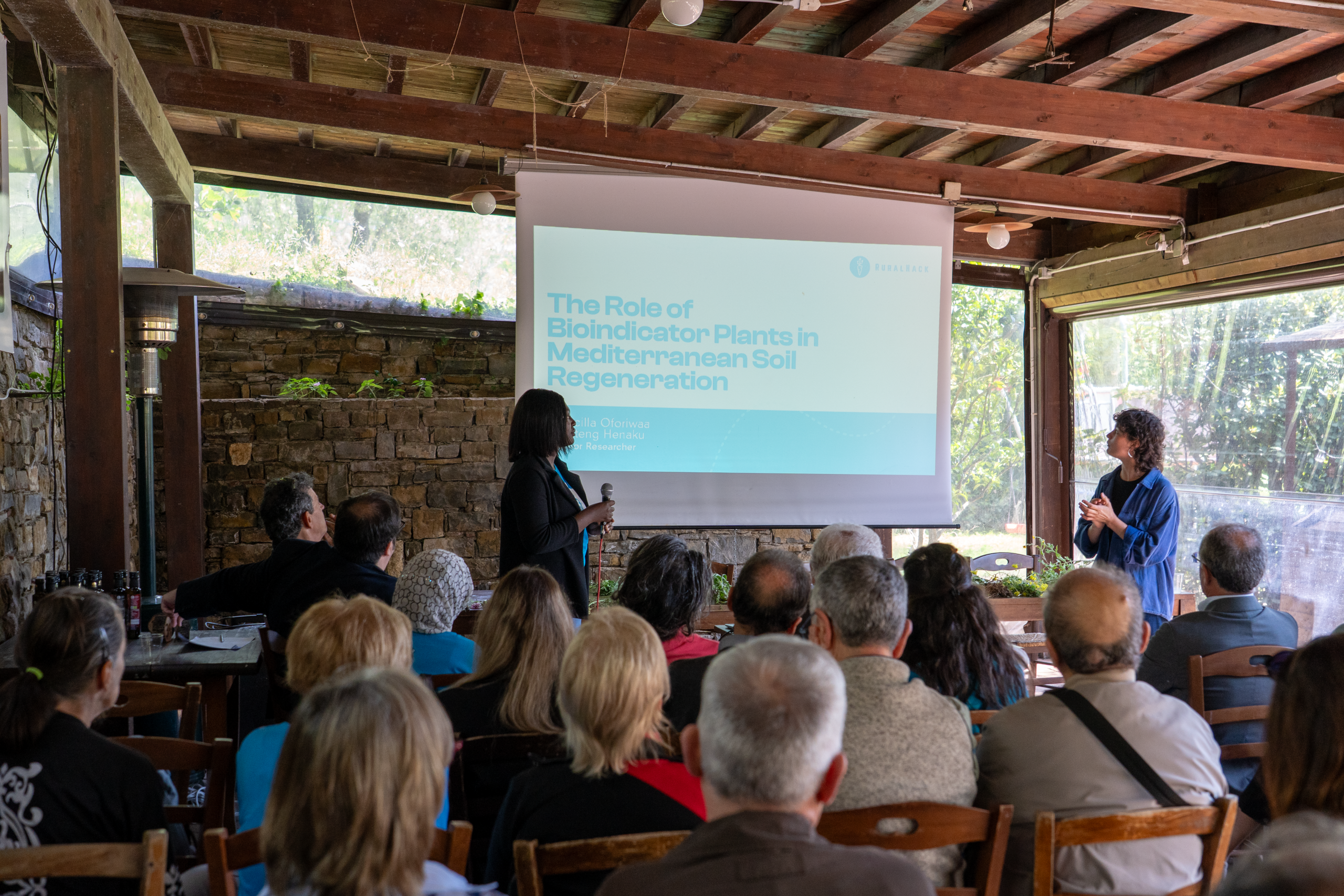
The value of the workshop with Priscilla lay precisely in this: showing that scientific knowledge can be removed from self-referentiality and reintroduced into circulation as a living good, in dialogue with local practices. Not a science that observes the territory from above, but a form of research that allows itself to be transformed through encounters with places.
Cooperativa Nuovo Cilento: a community that organizes transformation
“Aprile alle Erbe” takes shape within the work of the Cooperativa Nuovo Cilento, which represents much more than a simple organizing entity. It is a reality that embodies an idea of bottom-up transformation, in which the community does not wait for external solutions but builds, day after day, new forms of welfare, work, participation, and territorial regeneration.
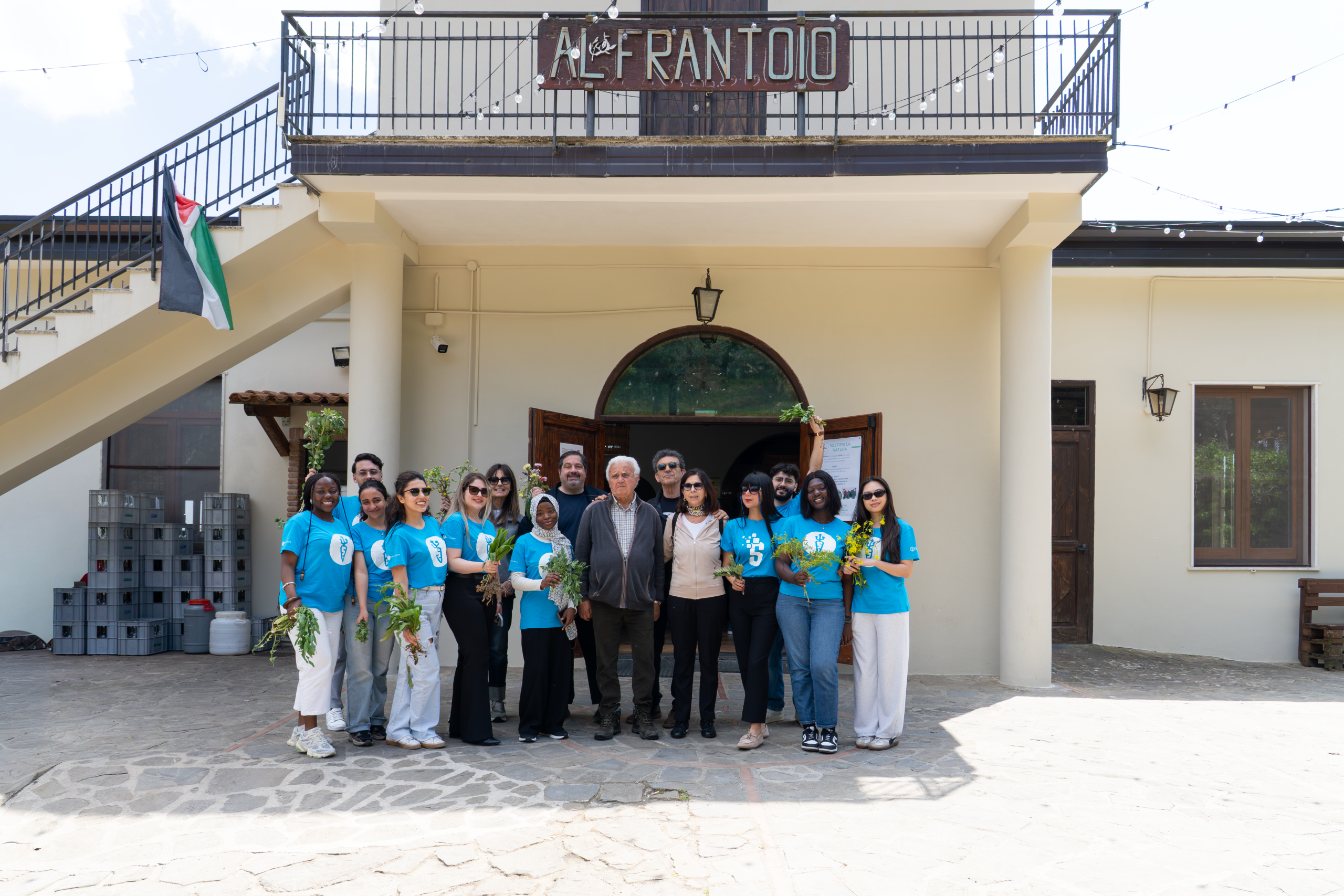
In a time marked by economic fragility, ecological crises, and depopulation, the cooperative shows how it is still possible to envision a local infrastructure capable of holding together social cohesion, landscape stewardship, and productive autonomy. Its strength does not lie in the rhetoric of a perfect model, but in the living and concrete nature of a process that intertwines people, practices, and visions.
One of the most interesting aspects of the Cooperativa Nuovo Cilento lies in the way agriculture is understood not only as an economic activity, but as a cultural and ecological project. The land is treated as a commons, biodiversity as a structural resource, and agricultural work as a space for inclusion, learning, and relationship-building.
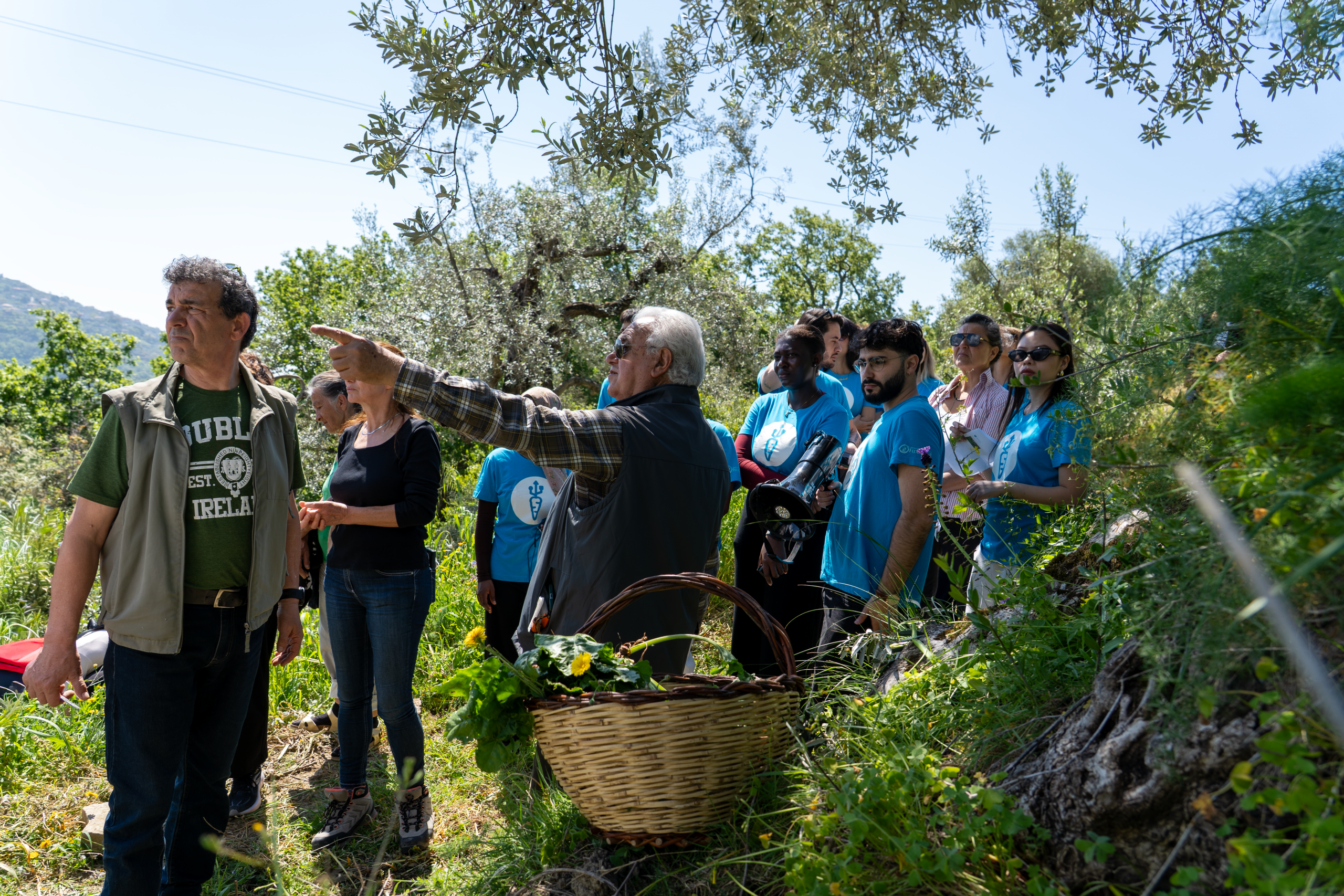
This approach restores agroecology to its full dimension: not merely a cultivation technique, but a practical philosophy capable of connecting ecological science, traditional knowledge, community participation, and territorial regeneration. In this sense, the cooperative becomes a tangible threshold through which to read new possibilities for non-extractive development.
Felice Suma and Wild Herbs: The Landscape as Common Knowledge
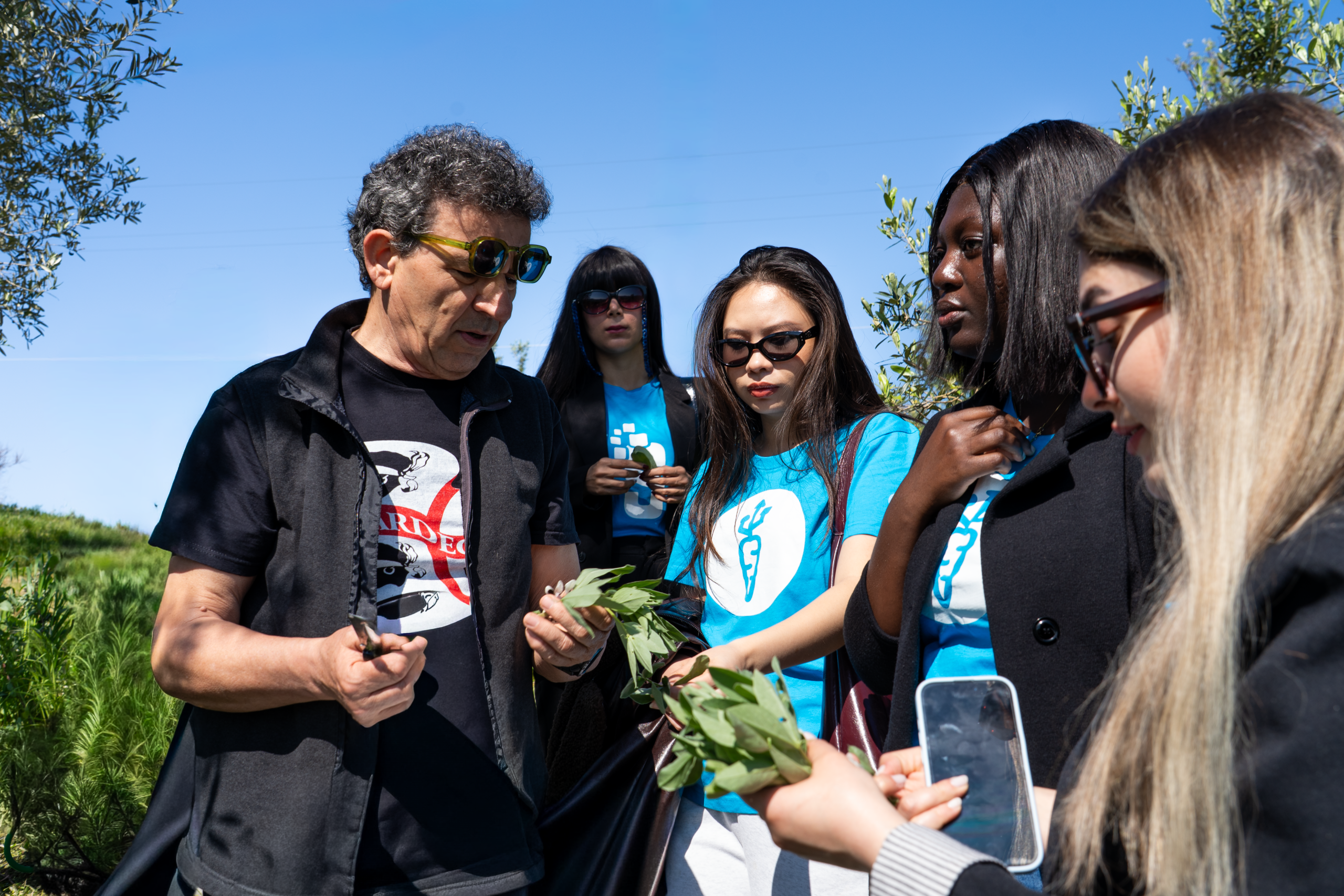
The encounter with Felice Suma opened up a different perspective on wild herbs and, more broadly, on the way we inhabit the landscape. Walking through the fields with him meant learning that what is often dismissed as useless grass or weeds can instead reveal an extraordinary ecological, nutritional, and cultural richness.
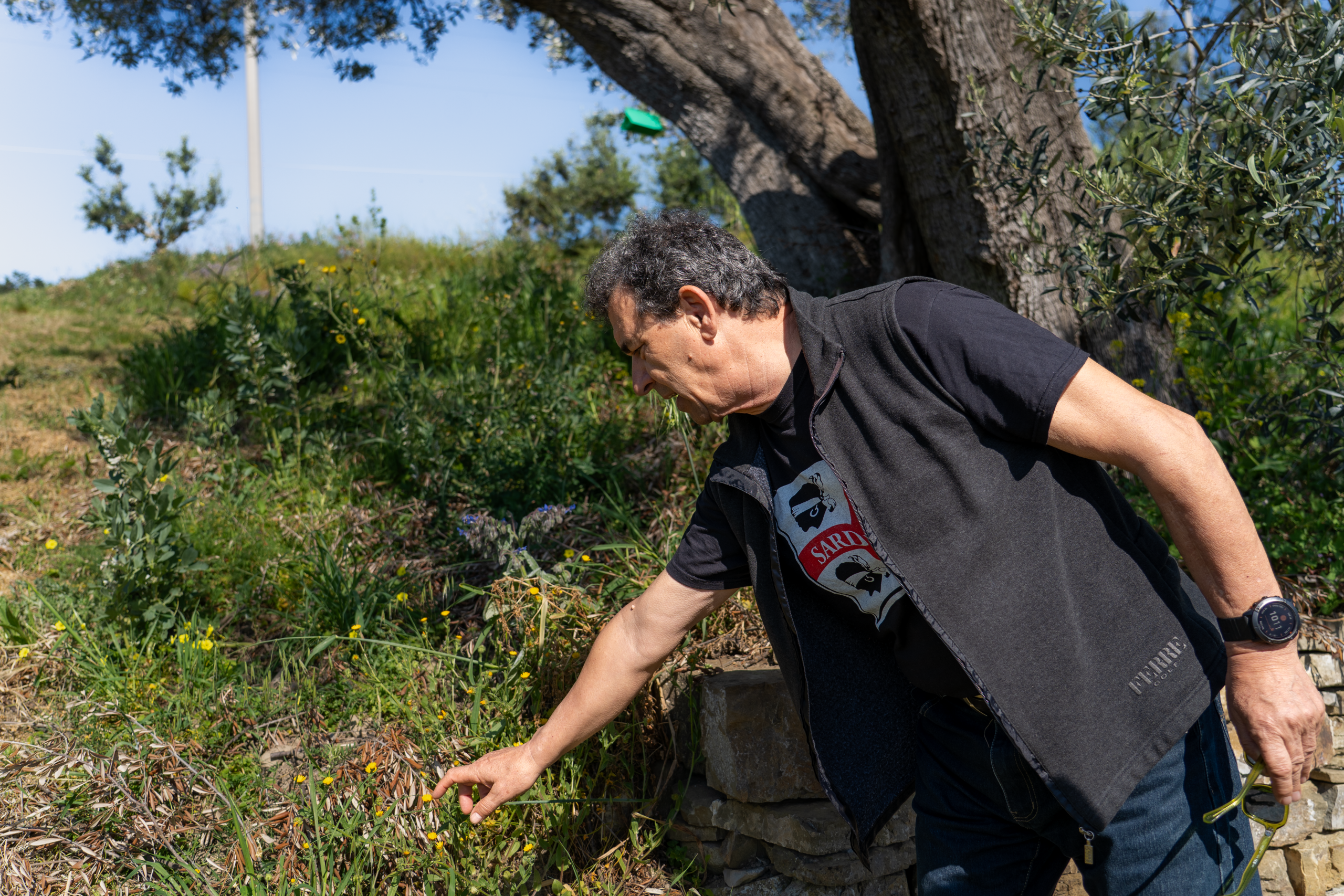
Wild herbs are not residues of the agricultural landscape. They are living traces of a historical relationship between communities and territory. Knowing where they grow, when to harvest them, how to handle them, and how to cook them means preserving a form of knowledge that does not belong to the market, but to the shared life of people. The Sunday field gathering made all of this tangible: recognizing plants, naming them, tasting them, and understanding their uses transformed the landscape into a living archive of memory and possibility.
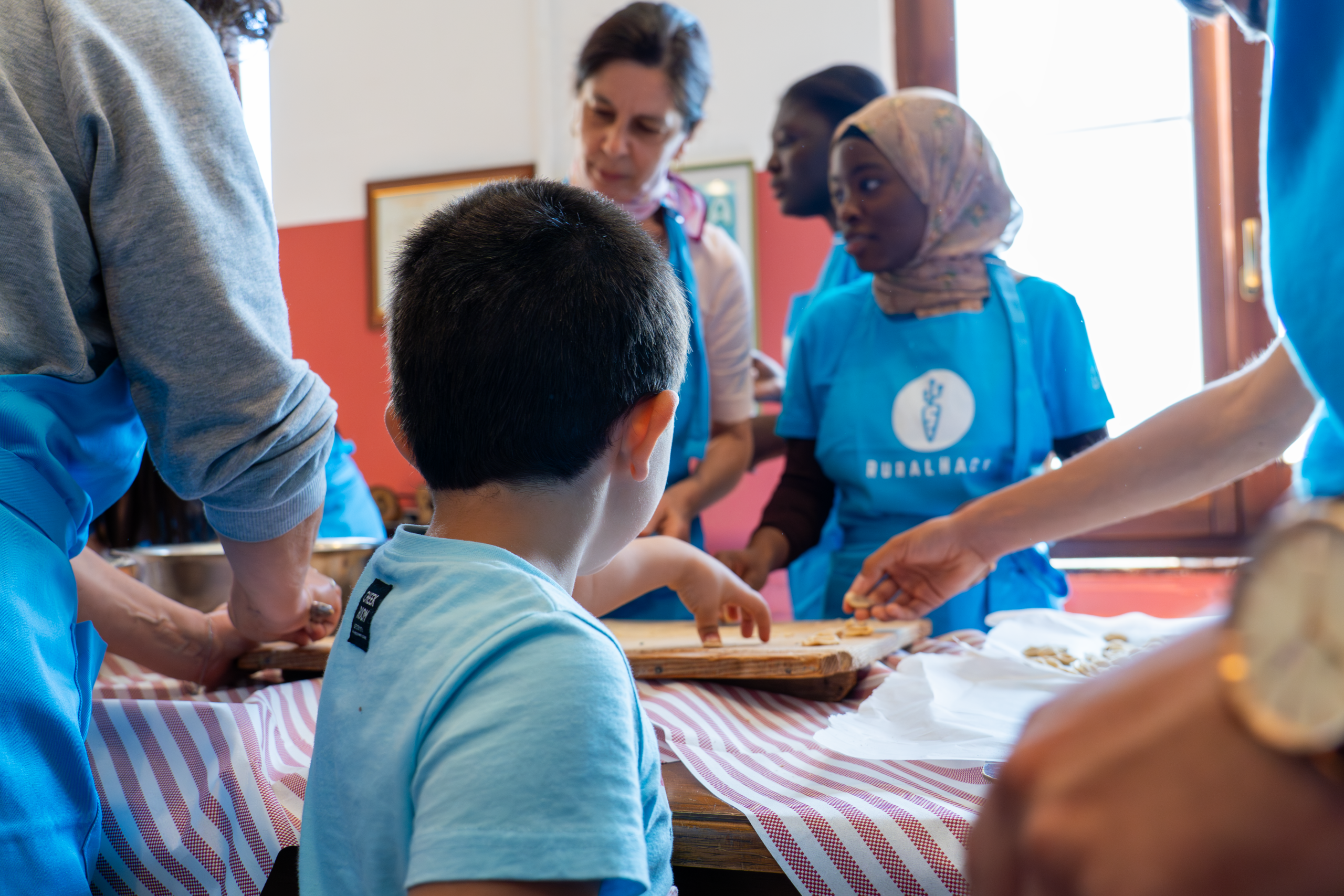
The most symbolic moment came at the end, when the harvest turned into a shared kitchen. Preparing and cooking the gathered herbs together, kneading, tasting, and exchanging ideas around food immediately showed that knowledge does not remain abstract: it passes through bodies, gestures, and the rhythms of collective making. In that transition from field to table, “Aprile alle Erbe” fully expressed the strength of a situated pedagogy, capable of bringing together biodiversity, conviviality, and the transmission of knowledge.
This vision intertwines perfectly with an agroecological reading of the territory. Wild herbs do not only contribute to diet or culinary memory, but also play an important role in soil health and ecosystem regeneration. They can improve fertility, retain water, foster essential symbiotic relationships, and attract beneficial insects. In other words, they do not simply occupy space: they make it more alive.
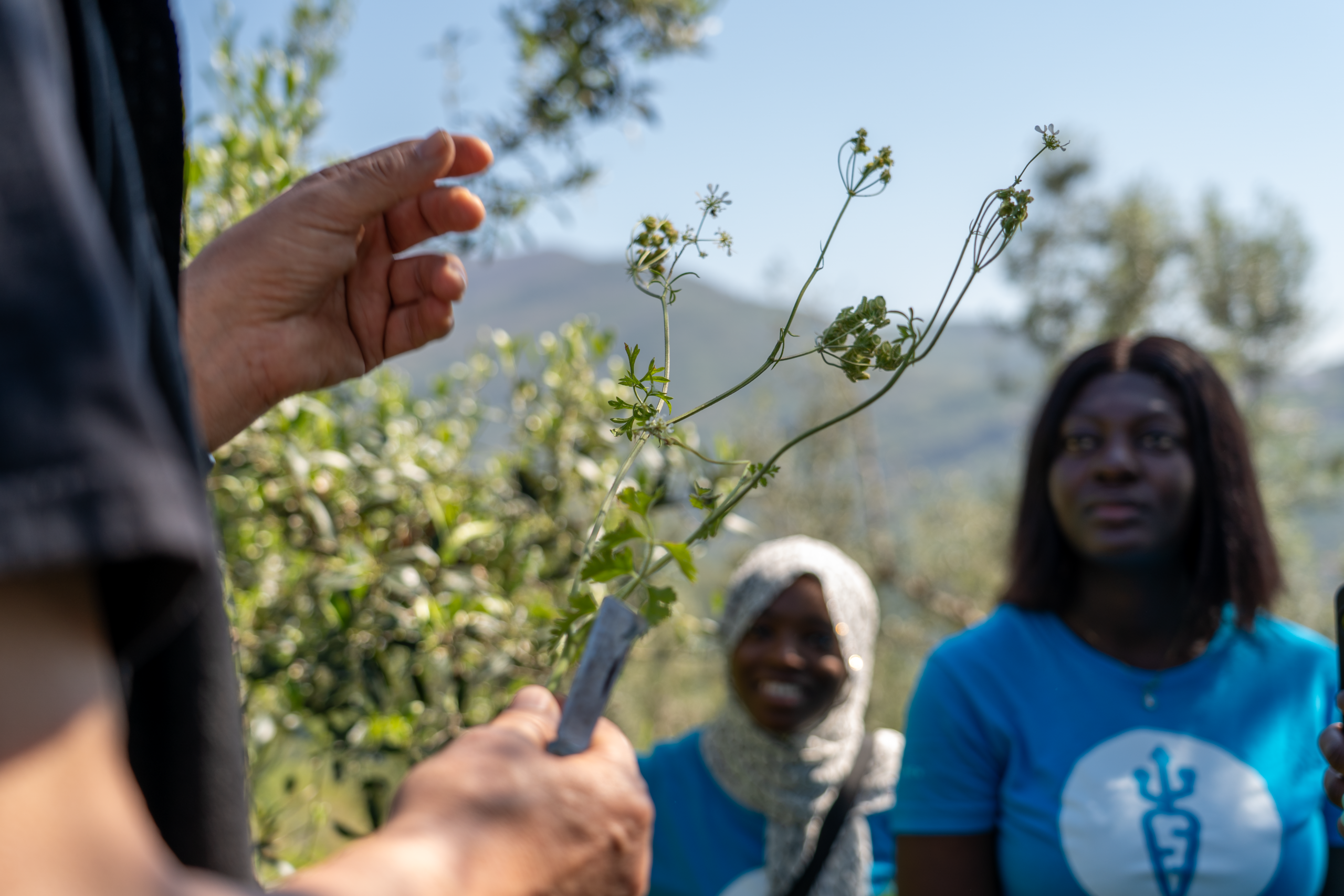
At the same time, the knowledge surrounding them is a form of shared cultural heritage. It is a transmitted, embodied, everyday form of knowledge that connects food gathering to the history of a place. In an era in which food systems are increasingly standardized, this knowledge represents a valuable threshold of autonomy and resistance.
Rural Hack: A Transition Mechanism Between Technology, Territory, and Community
Within this experience, Rural Hack positions itself as a force capable of rewriting the relationship between innovation and rurality. For too long, the digital divide has been described as an inevitable gap between advanced cities and backward rural areas. Rural Hack seeks to dismantle this narrative, not by imposing external solutions on territories, but by building tools and languages that emerge from the dialogue between innovation, local needs, and accumulated knowledge.
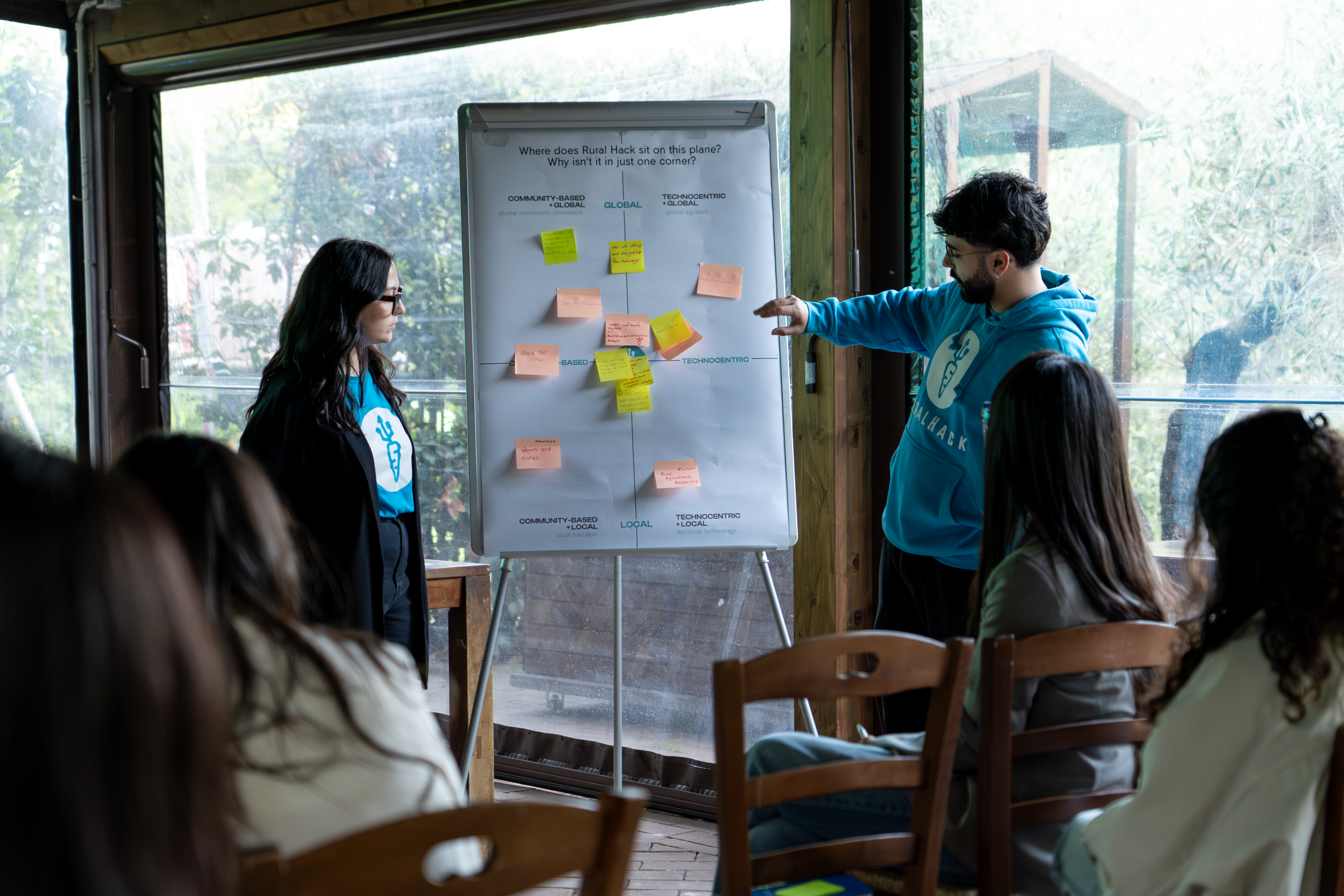
Its function is that of a transition mechanism: a threshold that allows rural ecosystems to evolve without losing contact with their roots. Not a platform that exports models, but a practice that makes situated and shared transformation possible.
Rural Hack’s contribution can be read through three dimensions. The first is technology, understood not as a costly and inaccessible black box, but as a set of tools that communities can understand, adapt, and build. The second is the territory, which is no longer seen merely as a site of production or extraction, but becomes a laboratory for local innovation. The third is community, perhaps the most important, because every real transformation depends on relationships, trust, intergenerational exchange, and the free circulation of knowledge.
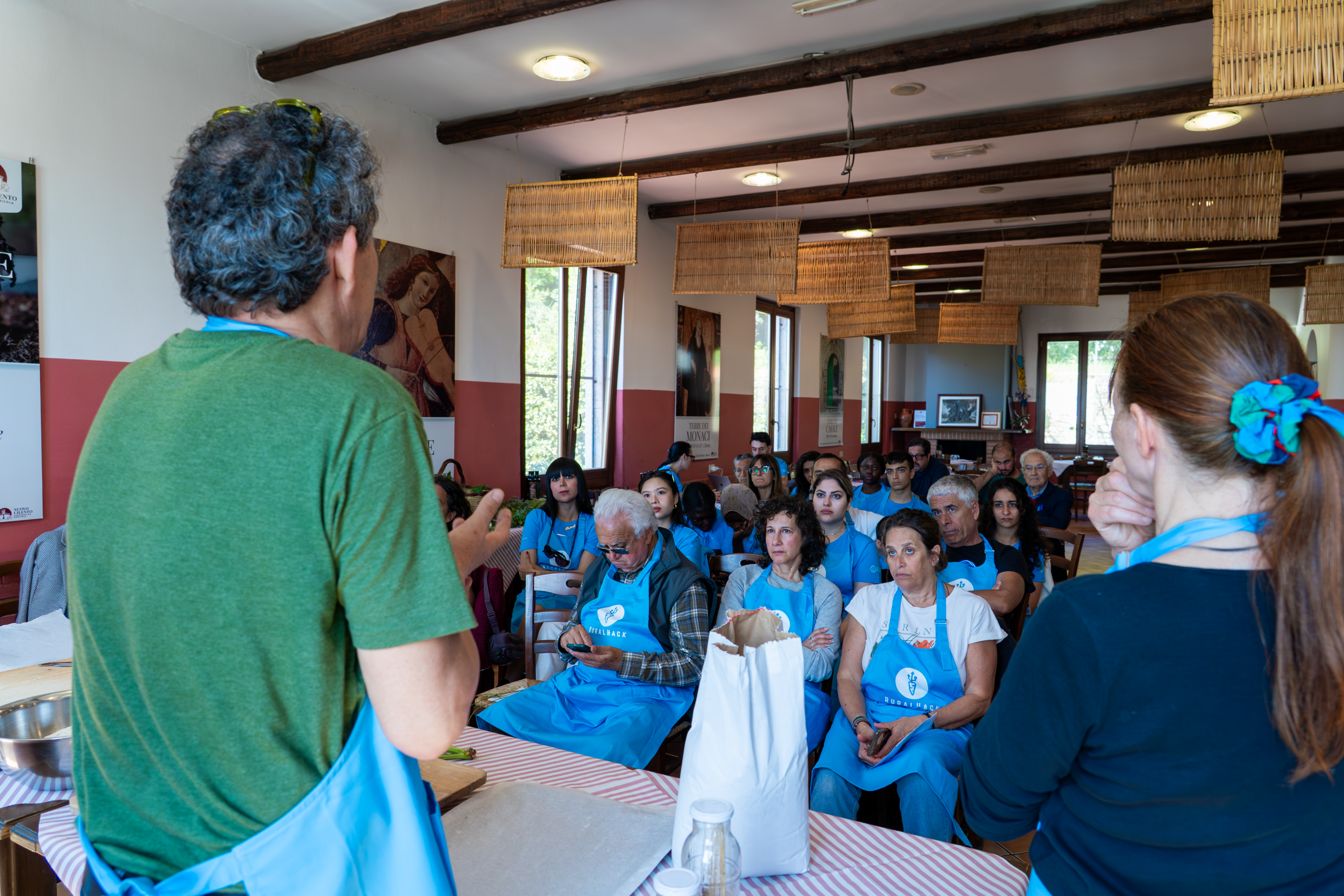
In this sense, Rural Hack is not simply a series of workshops or a container of practices. It is a cultural and political proposal that invites us to look at the countryside as a living space of experimentation, where the future does not arrive from above but is built from below, within the fields, through relationships, shared gestures, and local forms of collective intelligence.
“Aprile alle Erbe” and FoodSystem 5.0: A Concrete Vision of the Future
“Aprile alle Erbe” clearly showed that imagining a more just and sustainable food system does not mean choosing between tradition and innovation. Rather, it means building a new relationship between these elements, recognizing the value of biodiversity, local knowledge, applied research, and forms of community organization. In Cilento, between research, community, and wild herbs, a grammar of the possible came into action. And it is perhaps precisely from here that we should start again.
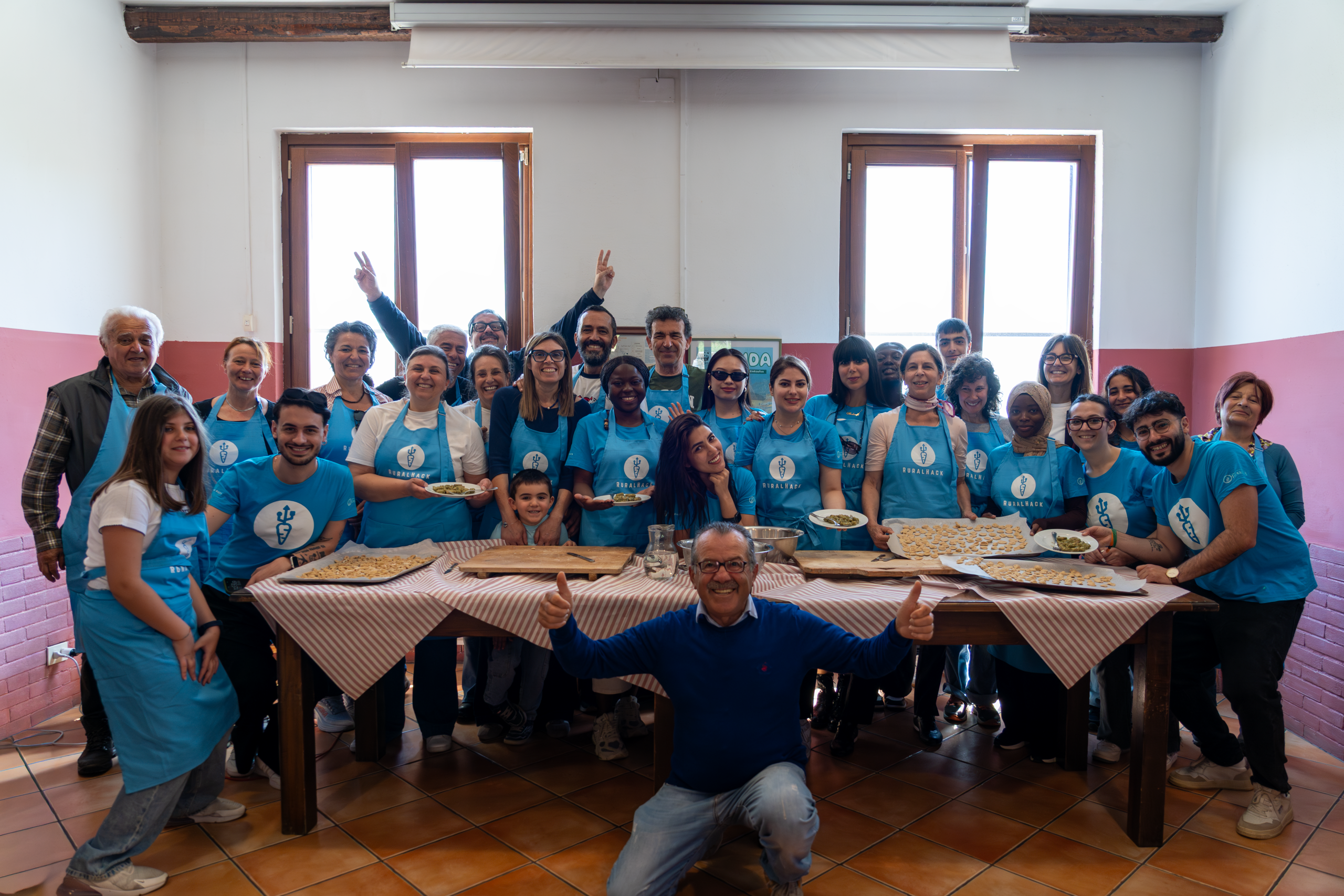
It is precisely here that the reference to FoodSystem 5.0 gains meaning. Not as a slogan, but as a vision capable of holding together soil health, food quality, ecological justice, territorial autonomy, and the ability to use technology in a non-extractive way. Wild herbs, research on bioindicator plants, cooperative work, and the Rural Hack approach all converge in this direction: showing that the future of food can be regenerative, situated, and shared.
Conclusion: In the Landscape, a Grammar of the Possible
“Aprile alle Erbe” has made visible something that often remains at the margins: the fact that within territories there are already practices, knowledge, and relationships capable of opening up new scenarios. It is not about going back, nor about chasing an abstract idea of innovation. It is about learning to read what the landscape is already telling us, and doing so together.
In Cilento, between research, community, and wild herbs, a grammar of the possible came into action. A grammar made of attention, care, ecological intelligence, and a desire for transformation. And it is perhaps precisely from here that we should start again.
Article by:
Duha Abusharar, Haniyeh Ezadi, Trieu Thi Minh Giang, Priscilla Oforiwaa Boateng Henaku, Shekoufeh Hosseinizadeh, Glory Ishaku Mallo, Mina Keshavarzi, Habiba Mohammed Musa.