

The Export of Campanian Agri-Food Products Worldwide
The joint initiative series between Rural Hack and the Italian Chapter of the FAO World Food Forum kicks off.
In Naples, a seminar featuring food diplomat Amy Riolo, Campania’s Regional Councillor for Agriculture Maria Carmela Serluca, Khalil Noran, President of the Italy National Chapter of the World Food Forum (FAO), and Professor Alex Giordano.
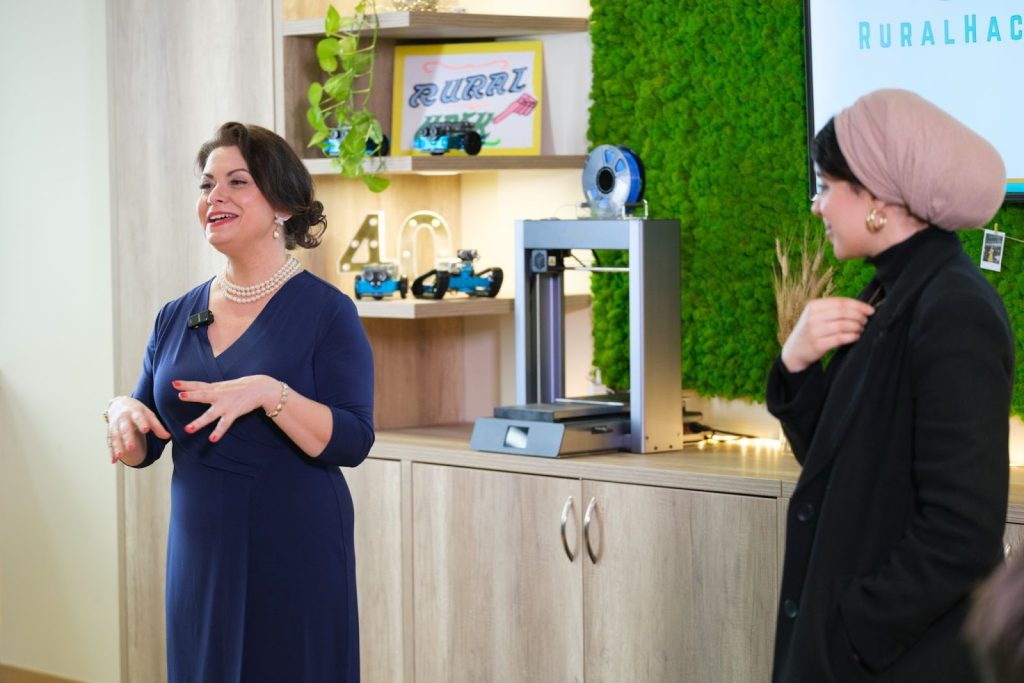
Naples, February 11 — This morning, at the Societing Lab of the Technological Hub of the University of Naples Federico II, in San Giovanni a Teduccio, a seminar entitled “Promoting the Mediterranean Diet in Italy and Worldwide: Opportunities and Challenges” was held. The event was led by Amy Riolo, one of the most authoritative and globally recognized figures in the field of food, the Mediterranean Diet, and food diplomacy.
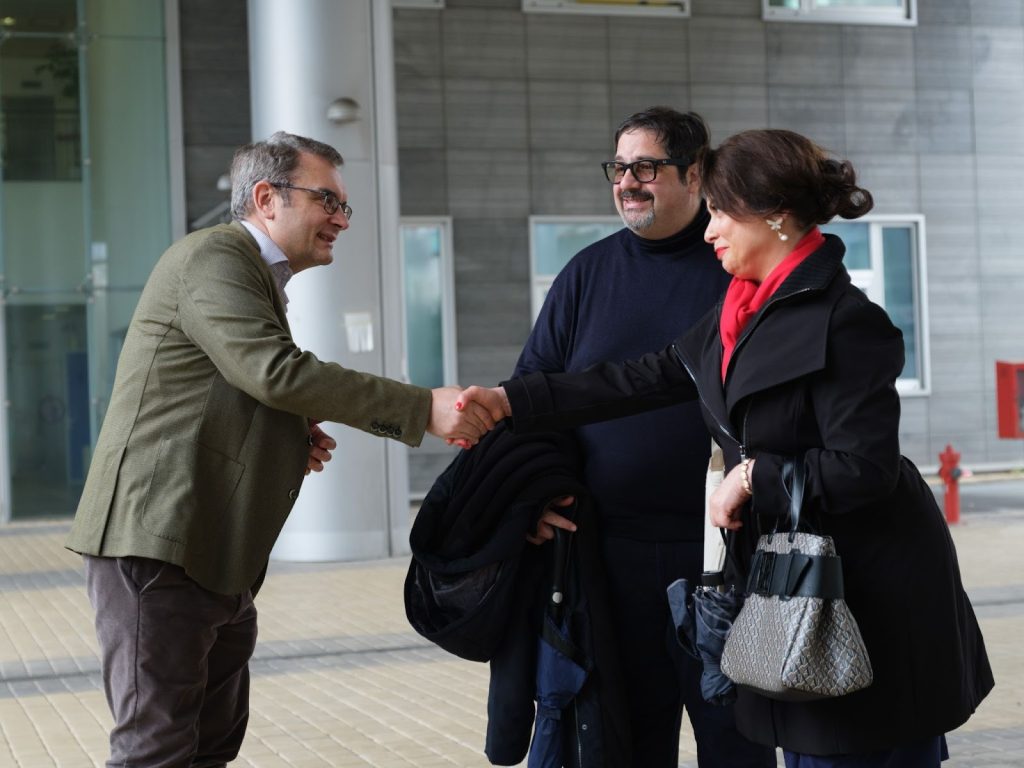
Introduced by welcoming remarks from Professor Domenico Accardo, Director of the CeSMA – Center for Advanced Metrological and Technological Services of the University of Naples Federico II, the meeting marked the first official event in a two-year cycle of initiatives envisaged by the partnership agreement signed between Rural Hack and the World Food Forum Italy National Chapter of the FAO.
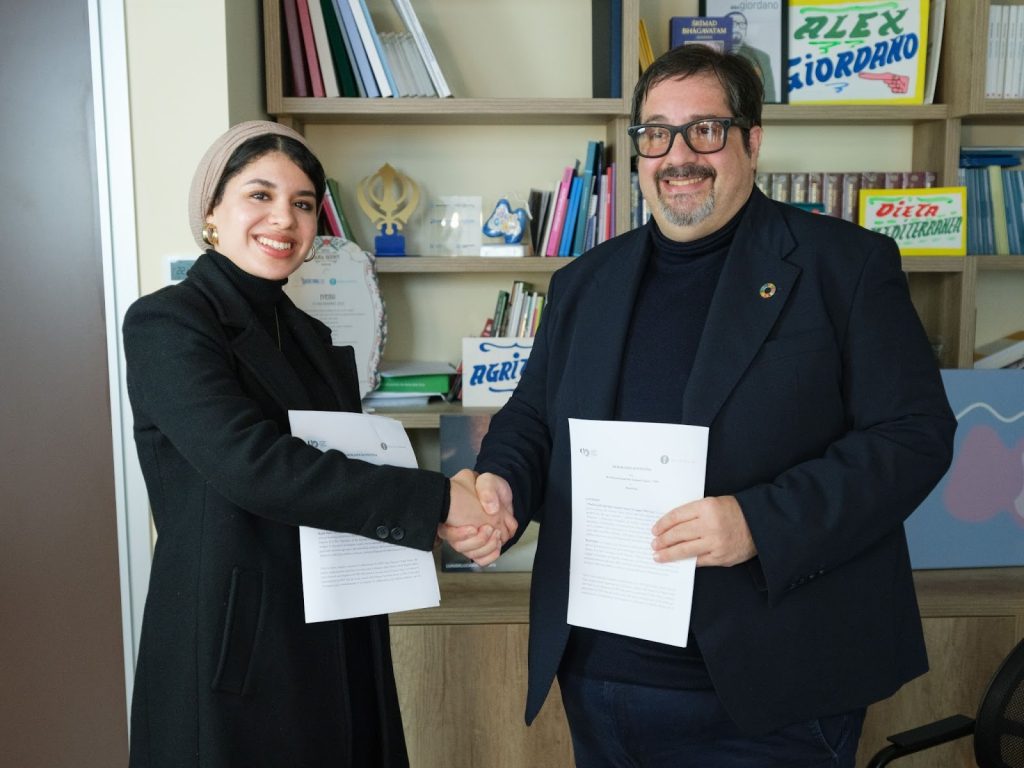
The agreement was formalized this morning by Professor Alex Giordano, Scientific Director of Rural Hack, and Dr. Khalil Noran, President of the Italian Chapter of the World Food Forum (FAO).
Under this agreement, Rural Hack becomes the official reference hub for the World Food Forum Italy National Chapter in Southern Italy, strengthening the role of the Mezzogiorno in the international dialogue on sustainable agri-food systems, in line with the FAO’s mission.
Salute e Dieta Mediterranea come leve per l’export agroalimentare
The seminar involved 30 young researchers, members of the two networks from around the world, jointly engaged in the study and dissemination of sustainable agri-food models oriented toward international markets.
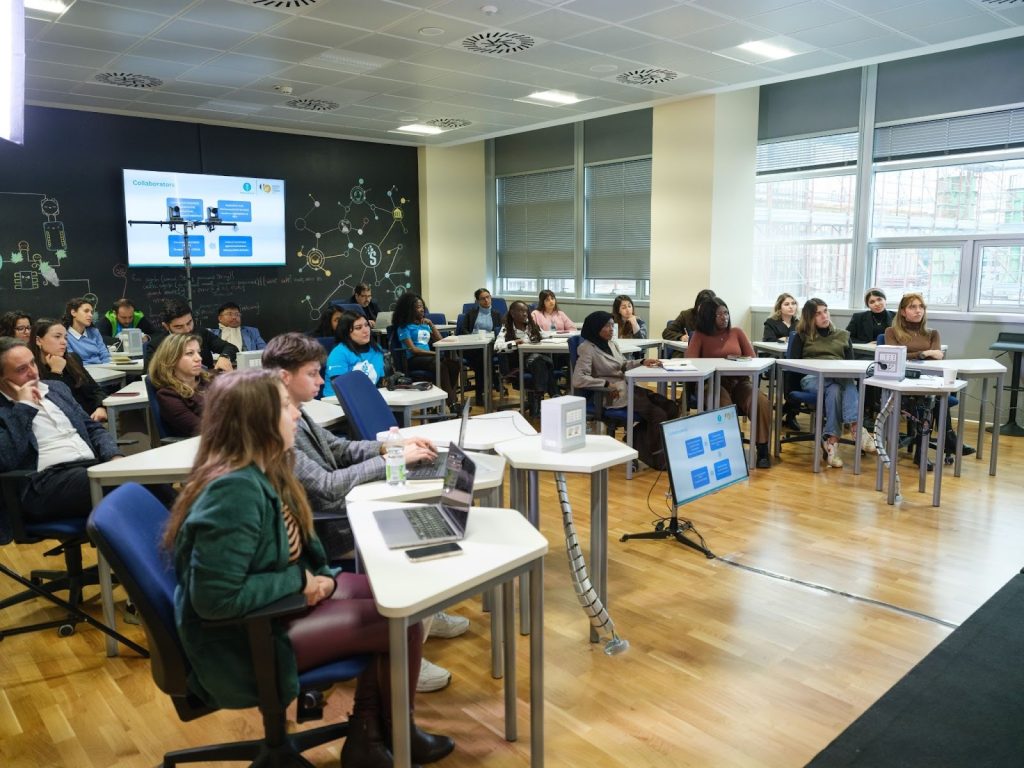
The seminar addressed the Mediterranean Diet as a strategic asset for exports, with particular reference to Italian and Campanian agri-food products.The health impact of specific products and regenerative agriculture approaches was analyzed as a competitive driver for accessing foreign markets, in a global context that is increasingly attentive to the prevention of chronic diseases, nutritional quality, and the sustainability of food systems.
Alongside the scientific aspects, the cultural dimension of the Mediterranean Diet was also explored, understood as an integrated set of food practices, traditions, lifestyles, and territorial identities—key elements for building value and credibility in international markets.
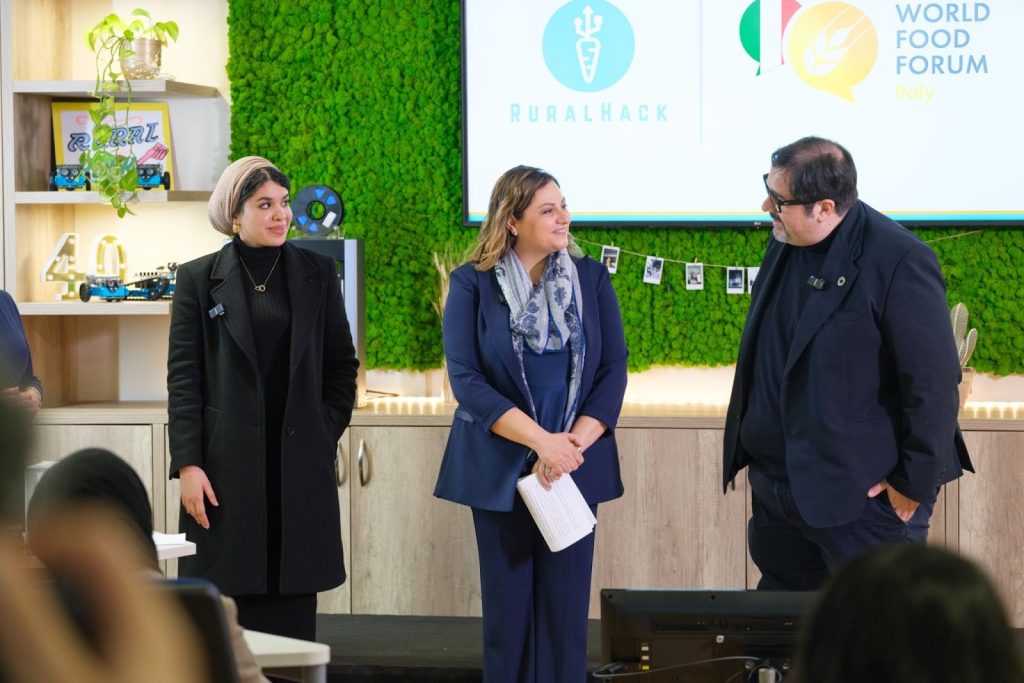
At the end of the seminar, an institutional dialogue was held on the theme of health, territories, and agri-food exports. The discussion featured Maria Carmela Serluca, Regional Councillor for Agriculture of the Campania Region; Alex Giordano, Scientific Director of Rural Hack; and Khalil Noran, President of the World Food Forum Italy National Chapter (FAO).
The discussion focused on development opportunities for Campanian products in international markets, in alignment with regional strategies and global priorities concerning sustainable food systems.
The Mediterranean Diet is not simply a nutritional model. It is culture, tradition, sustainability, the protection of biodiversity, and the enhancement of agricultural labor. In our territories — and in Campania in particular — it represents the result of generations of farming knowledge, the quality of local production, and the deep bond between communities and the land.
Today, this heritage is also confirmed by economic data: in 2024, Campania’s agri-food exports exceeded €5.7 billion, marking a +111% increase compared to 2014, placing Campania fifth among Italian regions in terms of agri-food export value.
Source: Campania Mater data, produced by the Campania Region with the contribution of NOMISMA and Rural Hack.
Statement by Amy Riolo
This presentation gave me the opportunity to highlight how health can become a strategic driver for internationalization. Scientific evidence, nutritional quality, and sustainability can serve as concrete levers to strengthen the global positioning of Italian and Mediterranean products, enabling progress in both the health and economic spheres.
Statement by Councillor Serluca
As public institutions, we have a responsibility to support this heritage. In this direction, through my department, we have entrusted this very technological hub with a blockchain project that will be carried out by Rural Hack, with the aim of understanding how to adapt this technology to serve the needs of our region’s quality productions. This is a pathway that will soon be completed and brought to fruition.
Statement by Alex Giordano
The recent recognition of Italian cuisine as an Intangible Cultural Heritage of Humanity undoubtedly represents a significant milestone, yet it is also profoundly ambiguous. The data clearly show how this territorial richness coexists with contradictory economic and social dynamics.
This asymmetry highlights a structural issue: the risk of strengthening “Made in Campania” as a brand without simultaneously reinforcing the ecological and social systems that make it possible.
In this sense, the partnership between Rural Hack and the National Youth Chapter Italy of the World Food Forum Youth Initiative aims to serve as a space for research-action, where young researchers, territories, institutions, and international networks can experiment with new grammars of food. .
Statement by Noran Khalil, President of the World Food Forum Italy Chapter – FAO
Our work is grounded in the belief that the major contemporary challenges — food-related, health, environmental, and social — must be addressed from multiple perspectives. The One Health approach represents an essential framework for understanding the complexity of food systems. Recognizing the interdependence between human health, animal health, and ecosystem health means shifting the focus from emergency management to prevention.
The Mediterranean Diet represents a cultural, social, and ecological system that brings together territories, biodiversity, production practices, and community relationships. Promoting it means going beyond symbolic celebration and addressing the transformations that threaten its very existence, even within Mediterranean contexts.
It is within this perspective that the partnership between the World Food Forum Italy Chapter and Rural Hack is positioned. This strategic collaboration combines global vision with territorial experimentation, strengthening the role of Southern Italy and the Mediterranean as key spaces for innovation in food systems.
Through alliances of this kind, the World Food Forum Italy Chapter aims to contribute to the construction of healthier, more sustainable, and more inclusive food systems, recognizing young people not merely as policy beneficiaries, but as central actors in their design and governance.
The World Food Forum Italy Chapter – FAO is the Italian chapter of the World Food Forum (WFF), the global initiative launched by the FAO to mobilize young people, innovators, researchers, institutions, and the private sector around the major challenges facing agri-food systems: food security, sustainability, innovation, climate, and social inclusion.
Rural Hack is the task force of the SocietingLAB, a laboratory dedicated to digital social innovation operating within the activities of the CeSMA – Center for Advanced Metrological and Technological Services of the University of Naples Federico II.
Amy Riolo, a Global Voice in Food
Speaking about the Mediterranean Diet today means speaking about food systems as determinants of public, environmental, and social health.
The choice of Amy Riolo as the guest of the first joint event between Rural Hack and the National Youth Chapter Italy of the World Food Forum responds precisely to this need. Her work brings together two dimensions that are too often kept separate: the symbolic strength of tradition and the solidity of scientific evidence.
Her narrative of the Mediterranean Diet is not nostalgic, but systemic. It does not reduce food to mere nutrition, nor culture to folklore.
In a context marked by growing consumer attention to health, ingredients, and sustainability — but also by widespread food misinformation that generates anxiety and choices not always grounded in evidence — the Mediterranean Diet can become a powerful tool for food education only if it is freed from media oversimplifications and restored to its full complexity.
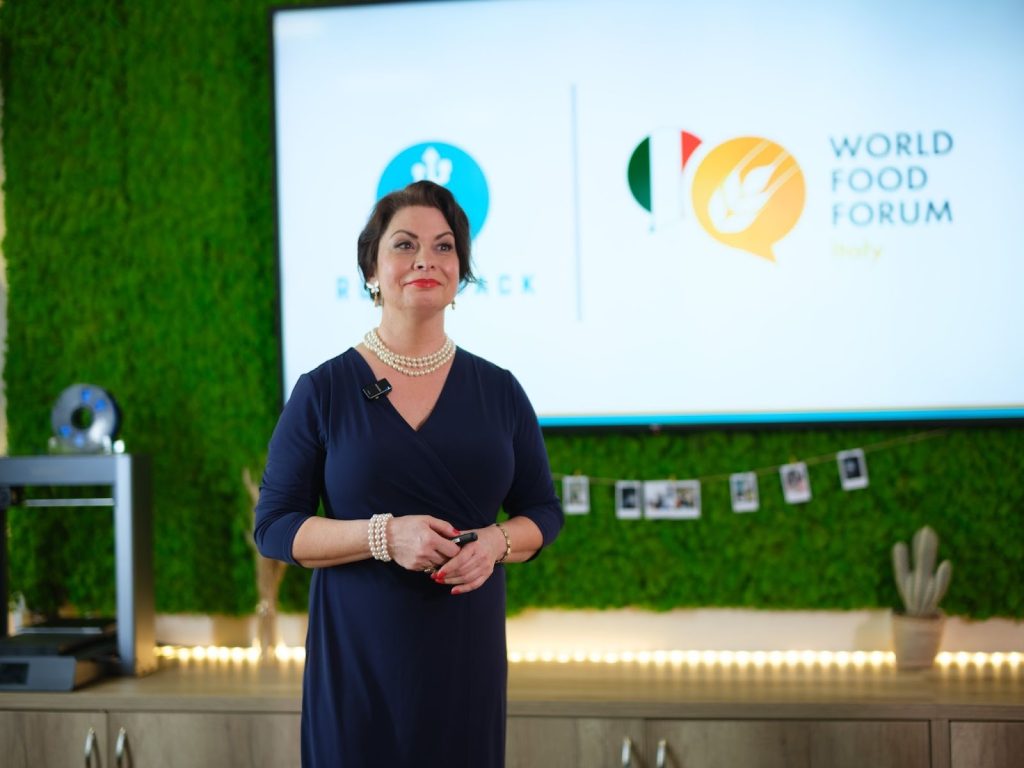
Author of 21 bestselling books and a regular presence on major international television networks — including CNN, Fox, ABC, CBS, NBC, and the Travel Channel — Amy Riolo is one of the most authoritative voices in the global debate on food, health, and food culture. For her contribution to promoting Italian cuisine and the Mediterranean Diet worldwide, she was awarded the title of Knight of the Order of the Star of Italy by the President of the Italian Republic.
Throughout her career, she has collaborated with universities, public institutions, multilateral organizations, and embassies, using food as a tool of cultural and economic diplomacy.