

The images of recent floods in Emilia-Romagna and Tuscany have dramatically highlighted the vulnerability of our urban centers to extreme weather events. These are no longer isolated phenomena: Italian cities are increasingly facing intense rainfall that cripples entire communities, alternating with heat waves or droughts more frequent than in the past.
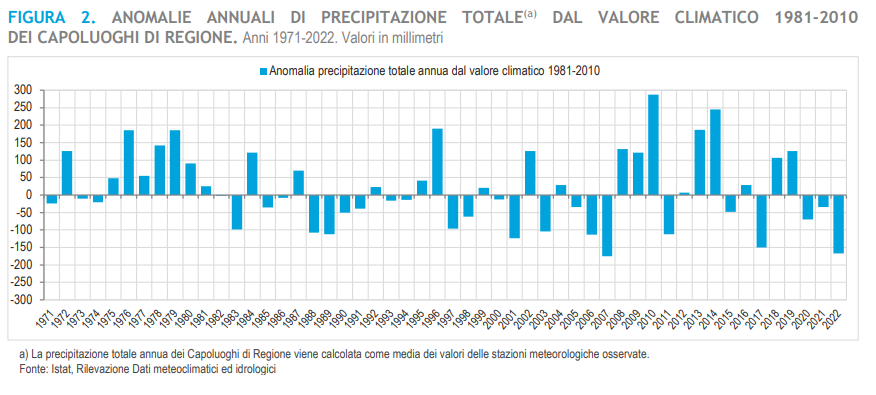
In 2023 alone, Bologna and the surrounding territories experienced two devastating flood events just months apart, with damages estimated in the billions of euros. As we speak, floods and damage are repeating in the capital of Emilia, while much of central Italy is under alert. The cyclical nature of these events suggests we can no longer afford to treat them as “extraordinary emergencies.”
What Is a Sponge City?
Faced with this new climatic normality, an innovative approach to urban planning is emerging: “sponge cities.” This model, initially developed in China and now adopted in numerous global metropolises, revolutionizes the way cities manage rainwater.
The “sponge city” approach is not unique in addressing the increasing rainfall and flooding challenges, but rather a synthesis of various approaches developed around the world, including:
- Low Impact Development (LID)
- Sustainable Urban Drainage Systems (SUDS) (U.K.)
- Water Sensitive Urban Design (WSUD) (Australia)
- Active, Beautiful and Clean (ABC) (Singapore)
- Landscape Stormwater Management (Denmark)
By synthesizing and combining these approaches, the sponge city model incorporates LID, SUDS, and WSUD. In its own way, however, it also represents a return to Tian-rén-hé-yi (天人合一), an ancient Chinese concept representing harmony between humans and nature—at least according to Professor Kongjian Yu, the concept’s creator, who returned to China after years at Harvard with a mission to revive this ancient wisdom and help his country’s cities find greater harmony with nature.
Instead of relying solely on traditional drainage systems, which are often insufficient during heavy rain, sponge cities integrate nature-based solutions such as:
These elements work in synergy to absorb, retain, and gradually release rainwater, mimicking the natural water cycle even in urban environments.
Implementing this system is not just a technical response to the problem of flooding—it represents a deep rethinking of the relationship between cities and water resources. Cities like Rotterdam, Singapore, and various Chinese metropolises are demonstrating that this approach can significantly reduce flood damage while also creating more livable and resilient urban spaces.
For Italian cities, adopting these principles is no longer optional but a strategic necessity to protect communities and urban heritage.
The Benefits of the Sponge City Approach
- Reduces hydrogeological risk and related social costs
- Improves water quality through natural filtration
- Creates new green spaces that enhance urban life
- Reduces the urban heat island effect
- Increases urban biodiversity
- Optimizes water resources for drought periods
The transition to the sponge city model requires coordinated commitment among administrations, planners, experts, and citizens. It’s not just about implementing individual technical solutions but about rethinking the entire urban development paradigm. Italian cities have the opportunity to become pioneers of this transformation, combining technological innovation with the preservation of their historical and cultural heritage.
But the Water Comes From Afar: The Keyline Approach and Better Soil Design Upstream
A complementary aspect of urban water management involves interventions in rural and mountainous areas to reduce the excess water flow toward cities. In this context, Keyline Design offers an innovative solution for the sustainable management of soil and water resources in non-urban areas. This system, developed by Australian engineer Percival Alfred Yeomans, involves designing the land following “keylines” to optimize water use, reduce soil erosion, and maintain soil fertility.
Applying Keyline Design in hilly and mountainous areas allows for the control of water runoff by creating accumulation basins and channels that slow and evenly distribute water across the land. This approach not only reduces the risk of hydrogeological instability in rural areas, but also helps decrease the volume of water rapidly flowing toward urban areas, lowering the risk of urban flooding.
Upstream interventions such as Keyline Design, and urban solutions like sponge cities, represent an integrated approach that can significantly improve the resilience of Italian territory. Joint management of water resources in both rural and urban areas enables more effective responses to both hydrogeological risks in hills and mountains and flooding risks in lowlands and urban centers. Only through a systemic vision that considers the entire watershed can we ensure the safety and sustainability of our territories.
Resources for further information:
EN This man is turning cities into giant sponges to save lives | Pioneers for Our Planet
IT Keyline Design: la progettazione per una migliore gestione del suolo